What Is a Complete Protein?
Protein is made up of 20 amino acids — the building blocks your body uses to repair tissue, build muscle, and produce hormones. Your body can make 11 of these on its own. The other 9, called **essential amino acids**, must come from food.
A **complete protein** is any food that contains all 9 essential amino acids in sufficient quantities. These are: histidine, isoleucine, leucine, lysine, methionine, phenylalanine, threonine, tryptophan, and valine.
If a food is missing or low in even one essential amino acid, it's considered an **incomplete protein**. Most plant foods fall into this category — but that doesn't mean plant-based diets can't provide complete nutrition. It just takes a bit more planning.
The 9 Essential Amino Acids
Each essential amino acid plays a specific role in the body:
- **Histidine:** Tissue growth and repair, production of histamine
- **Isoleucine:** Muscle metabolism, immune function, hemoglobin production
- **Leucine:** Muscle protein synthesis, wound healing, blood sugar regulation
- **Lysine:** Collagen formation, calcium absorption, immune function
- **Methionine:** Metabolism, detoxification, tissue growth
- **Phenylalanine:** Precursor to neurotransmitters (dopamine, norepinephrine)
- **Threonine:** Collagen and elastin production, fat metabolism
- **Tryptophan:** Precursor to serotonin and melatonin (mood and sleep)
- **Valine:** Muscle growth, tissue repair, energy production
According to the WHO, the daily requirement for essential amino acids varies by age and body weight, but leucine is typically needed in the largest quantity (about 39mg per kg of body weight per day for adults).
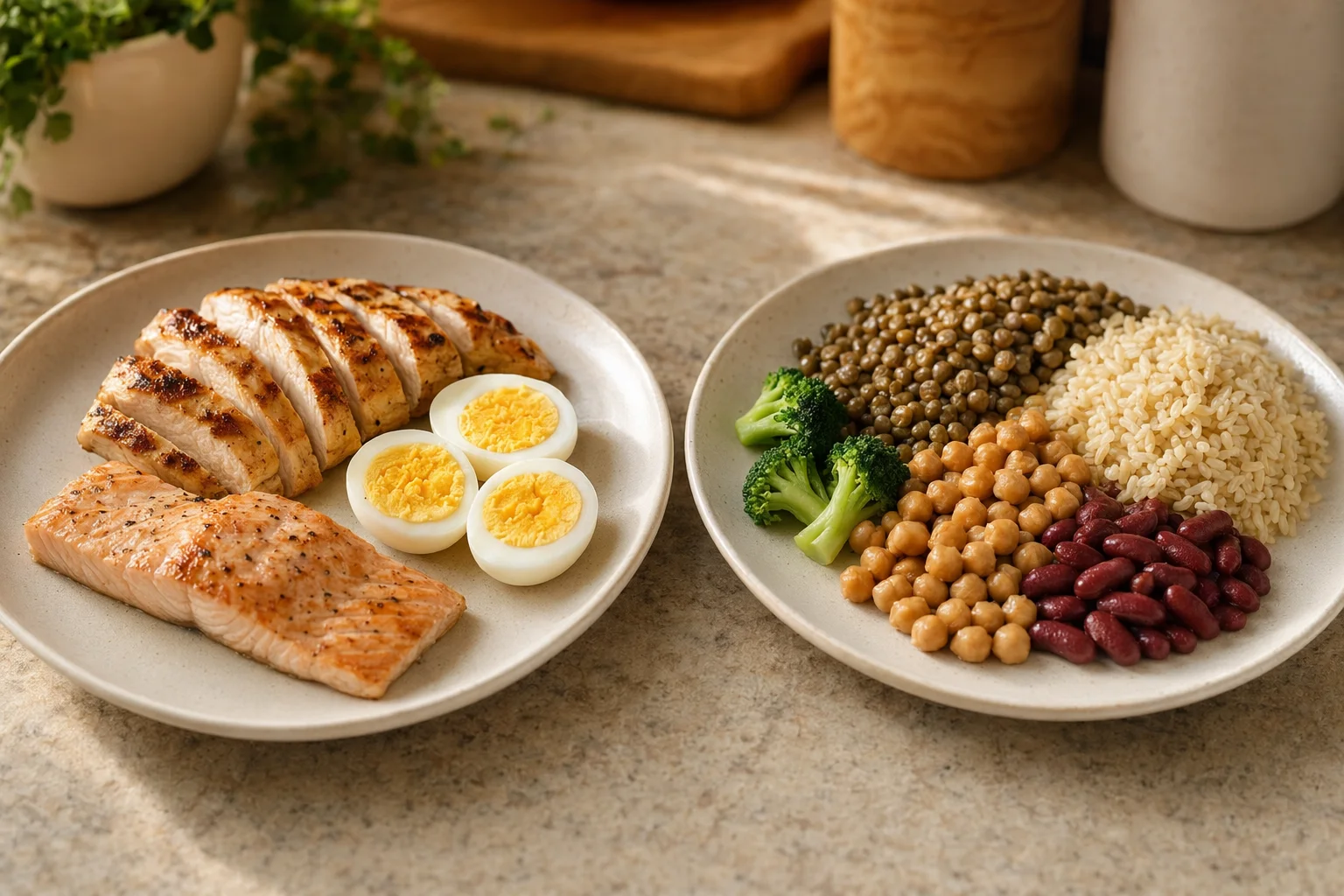
Complete vs Incomplete Protein
The distinction is straightforward:
**Complete proteins** contain all 9 essential amino acids in adequate amounts:
- Meat, poultry, fish
- Eggs
- Dairy (milk, cheese, yogurt)
- Soy products (tofu, tempeh, edamame)
- Quinoa, buckwheat, chia seeds, hemp seeds
**Incomplete proteins** are missing or low in one or more essential amino acids:
- Beans and legumes (low in methionine)
- Grains (low in lysine)
- Nuts and seeds (low in lysine)
- Most vegetables
**The limiting amino acid** is the one present in the lowest amount relative to what your body needs. For example, grains are limited by lysine, while beans are limited by methionine. This is why combining grains with legumes — like rice and beans — creates a complete amino acid profile.
Animal-Based Complete Protein Sources
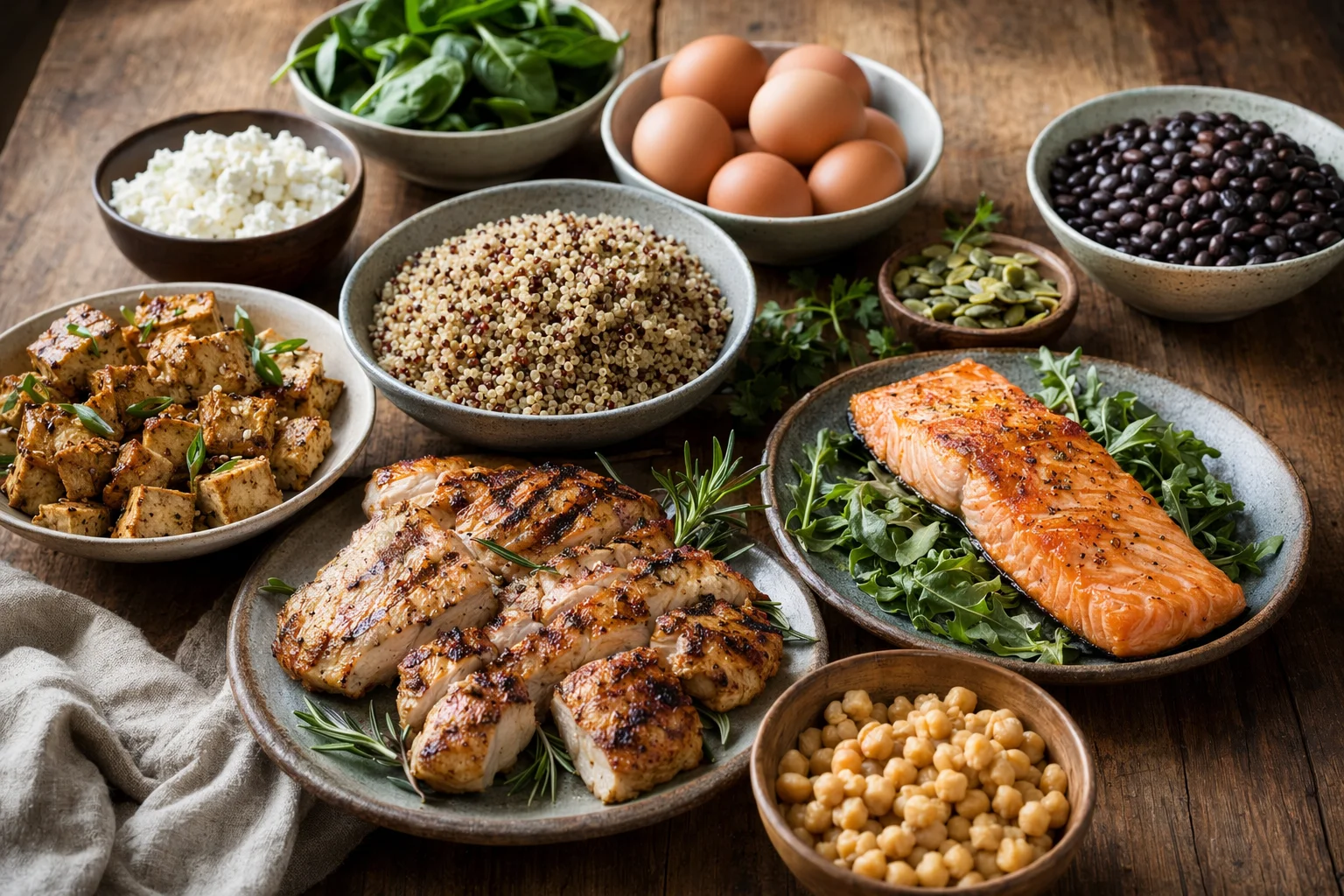
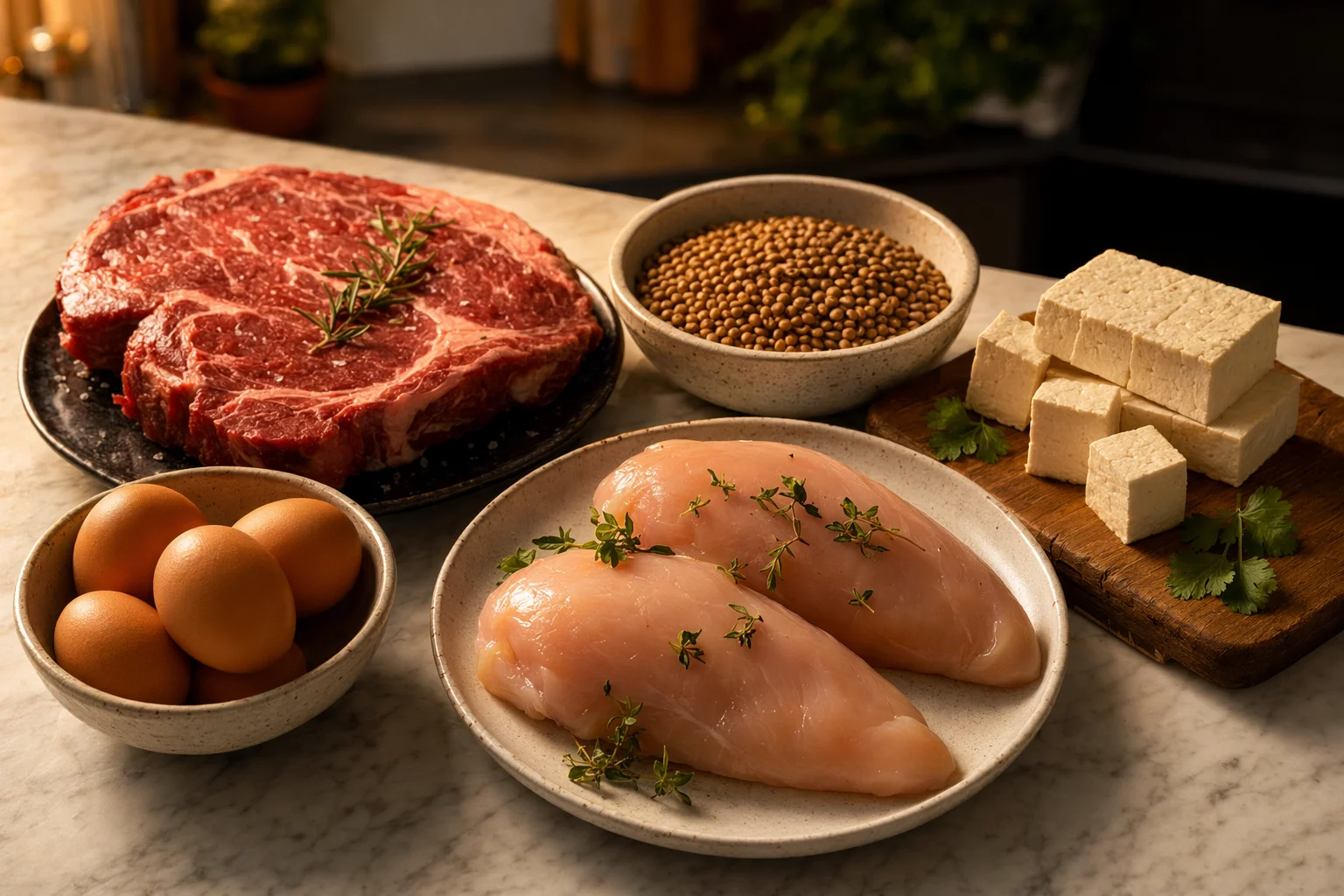
Animal foods are naturally complete because the animal's body has already assembled all the amino acids. Here are the best sources by protein content per serving:
**Meat, poultry, and seafood:**
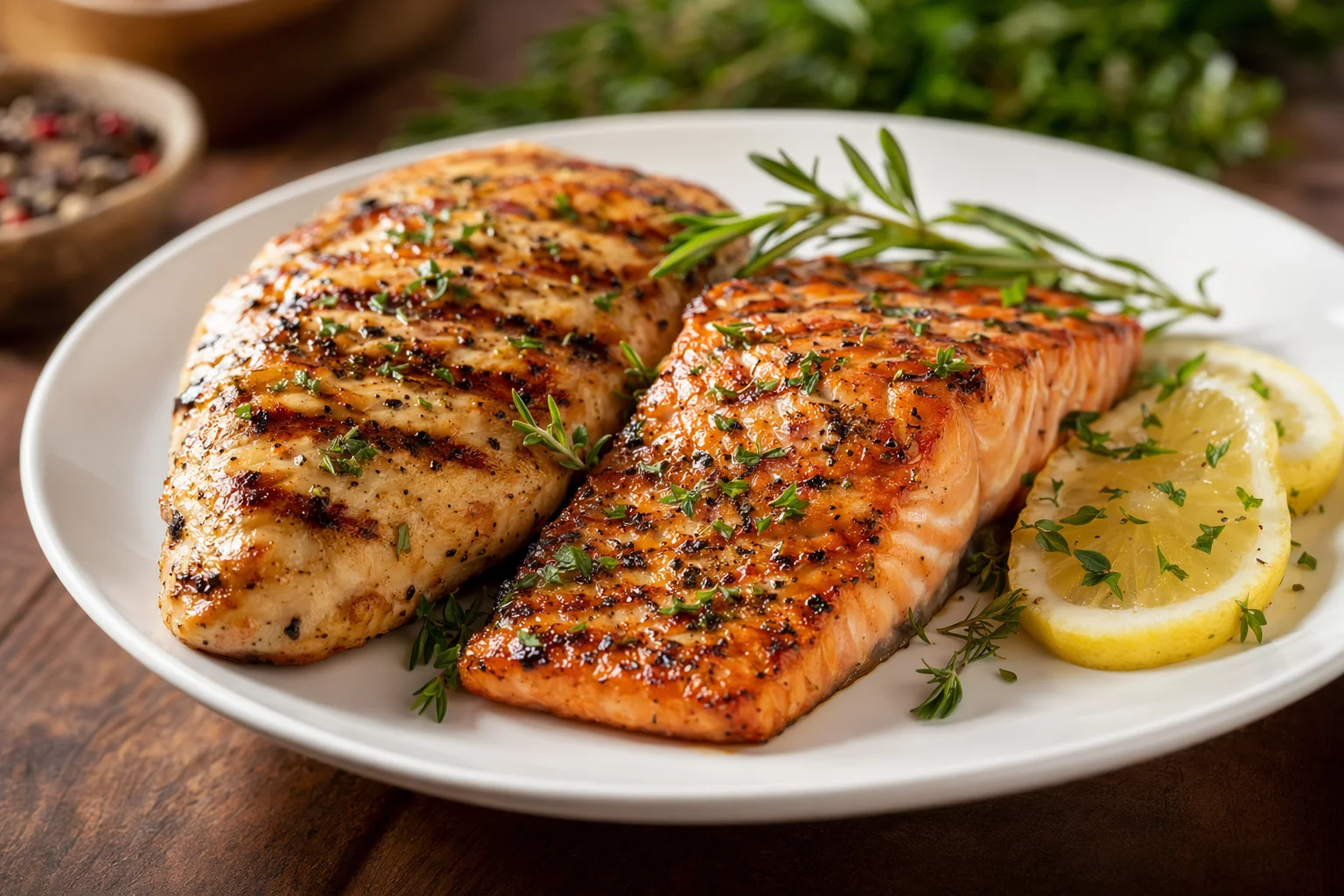
- Chicken breast (3 oz): 26g protein
- Salmon (3 oz): 22g protein
- Lean beef (3 oz): 22g protein
- Shrimp (3 oz): 20g protein
**Dairy and eggs:**
- Greek yogurt (6 oz): 17g protein
- Cottage cheese (1/2 cup): 14g protein
- Large egg: 6g protein
- Milk (1 cup): 8g protein
I cook with chicken breast and eggs almost daily — they're affordable, versatile, and give you a complete amino acid profile in a single ingredient. No combining needed.
Plant-Based Complete Protein Sources
A few plant foods are naturally complete proteins — and they're worth knowing if you eat plant-based or want more variety:
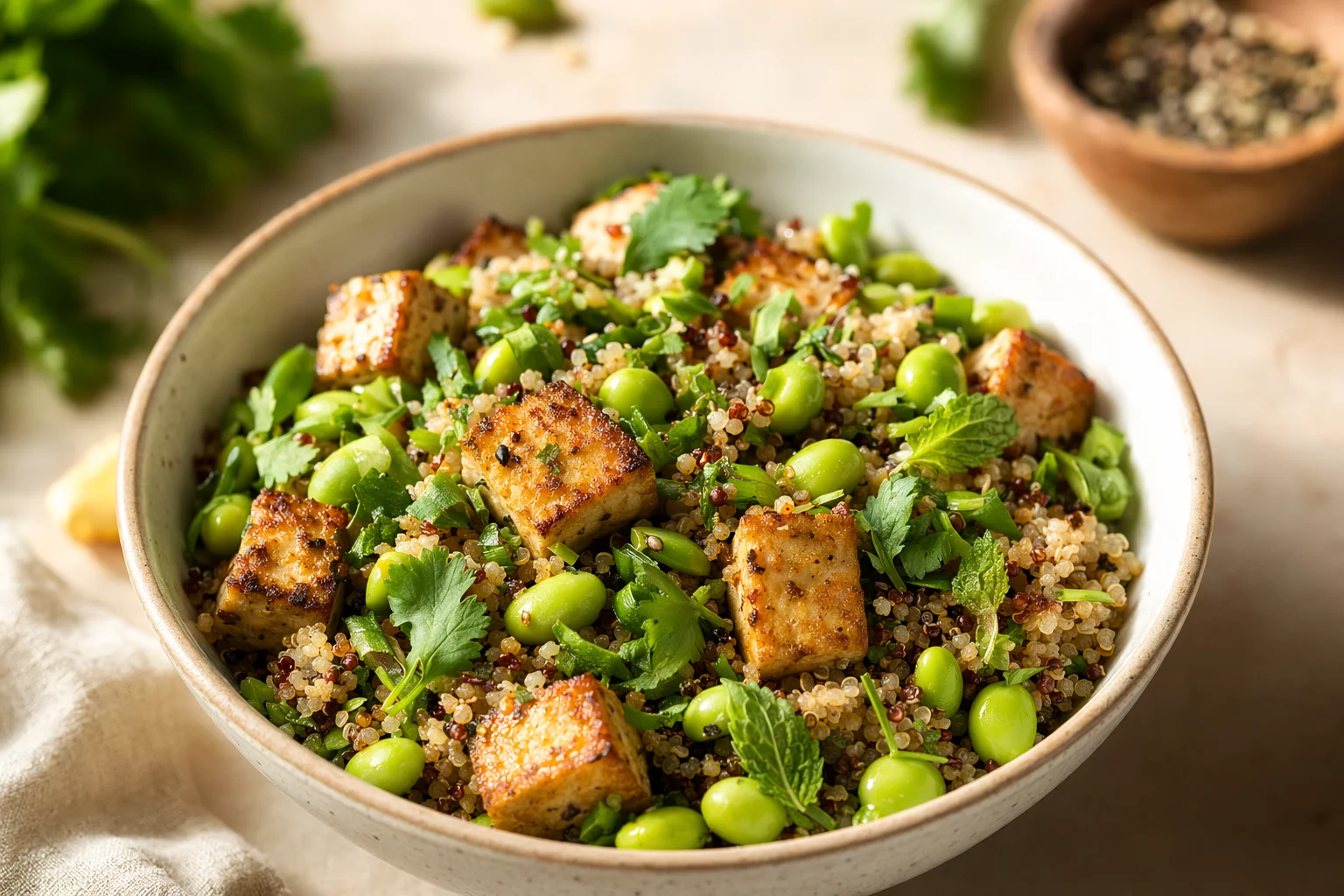
- **Soy products:** Tofu (10g per 1/2 cup), tempeh (15g per 1/2 cup), edamame (17g per cup)
- **Quinoa:** 8g per cooked cup — one of the few grains that's a complete protein
- **Buckwheat:** 6g per cooked cup (despite the name, it's gluten-free and not related to wheat)
- **Chia seeds:** 5g per 2 tablespoons — great in smoothies and oatmeal
- **Hemp seeds:** 10g per 3 tablespoons — nutty flavor, perfect on salads
The FDA recognizes soy as a high-quality protein comparable to animal sources. In my kitchen, I always keep tofu and quinoa stocked — they're the most versatile complete plant proteins for everyday cooking.
Complementary Protein Pairing
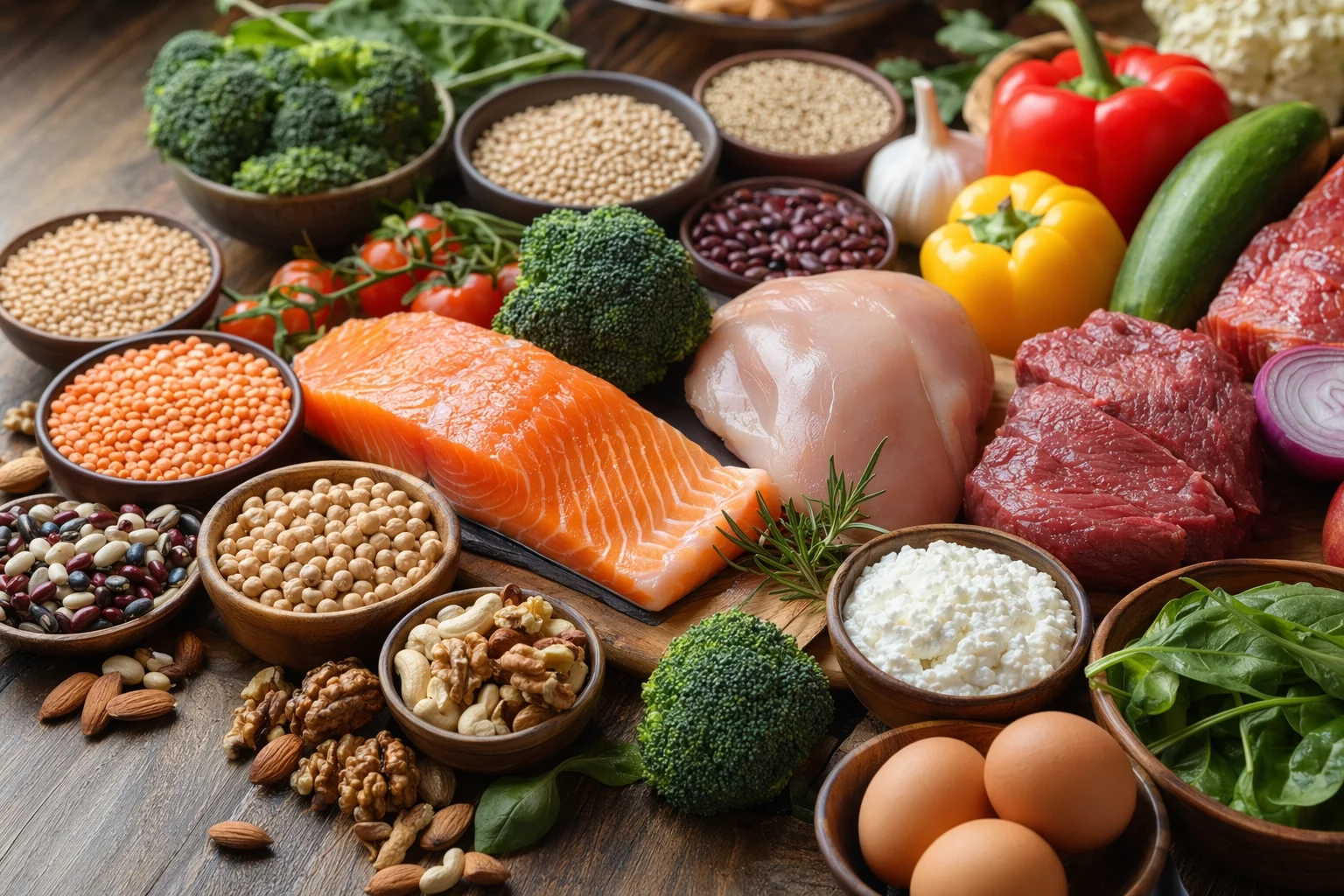
For the many plant foods that are incomplete proteins, pairing complementary sources creates a complete amino acid profile. The classic pairings:
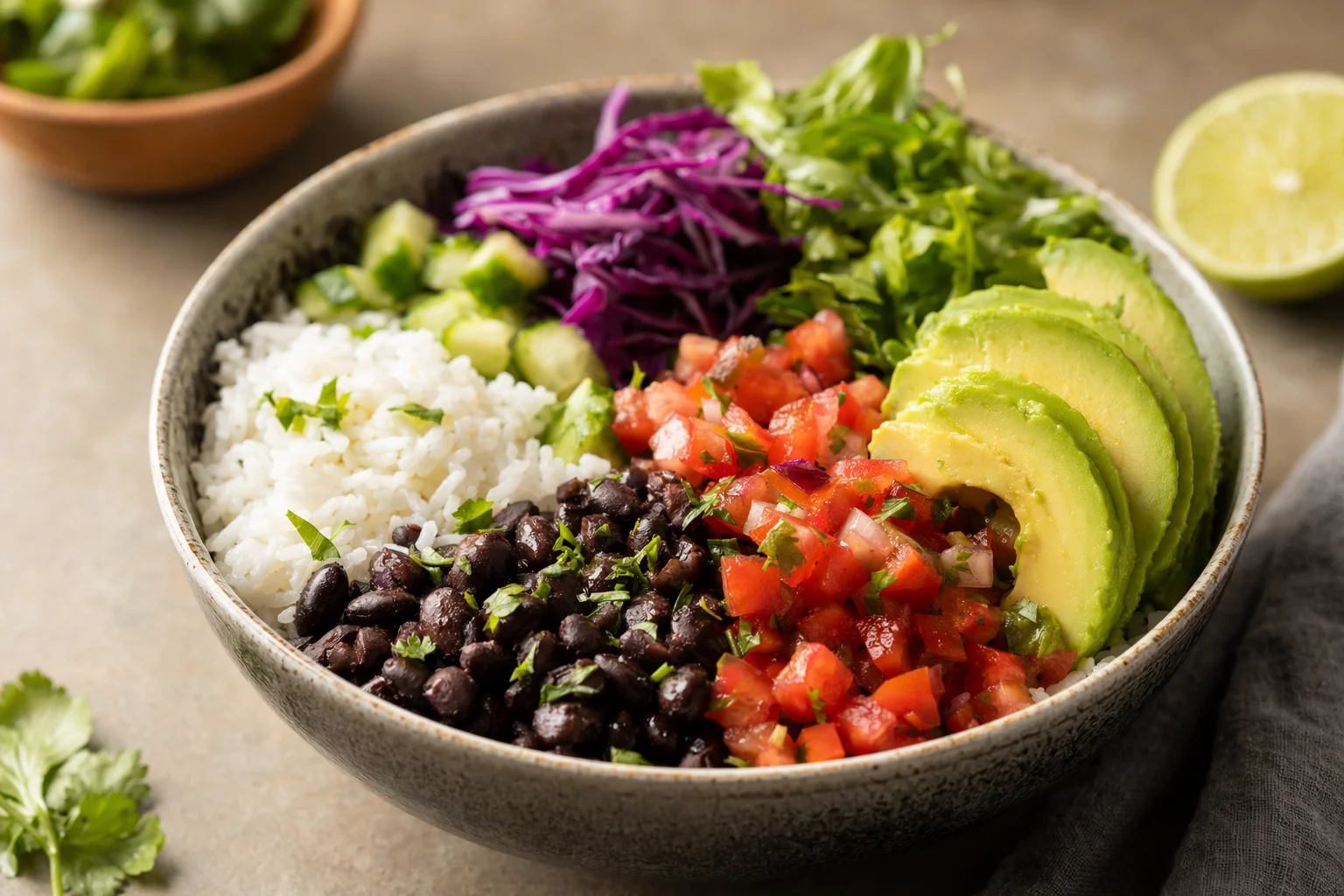
- **Grains + Legumes:** Rice and beans, whole wheat bread with hummus, corn tortillas with black beans
- **Legumes + Seeds/Nuts:** Lentil soup with pumpkin seeds, chickpea salad with sunflower seeds
- **Grains + Dairy:** Oatmeal with milk, pasta with parmesan
The key insight: grains tend to be low in lysine but high in methionine, while legumes are the opposite. Together, they cover each other's gaps.
**Practical pairings I use regularly:**
- Peanut butter on whole grain toast (breakfast)
- Black bean and rice bowl (lunch)
- Lentil soup with a side of whole grain bread (dinner)
Do You Need to Combine Proteins at Every Meal?
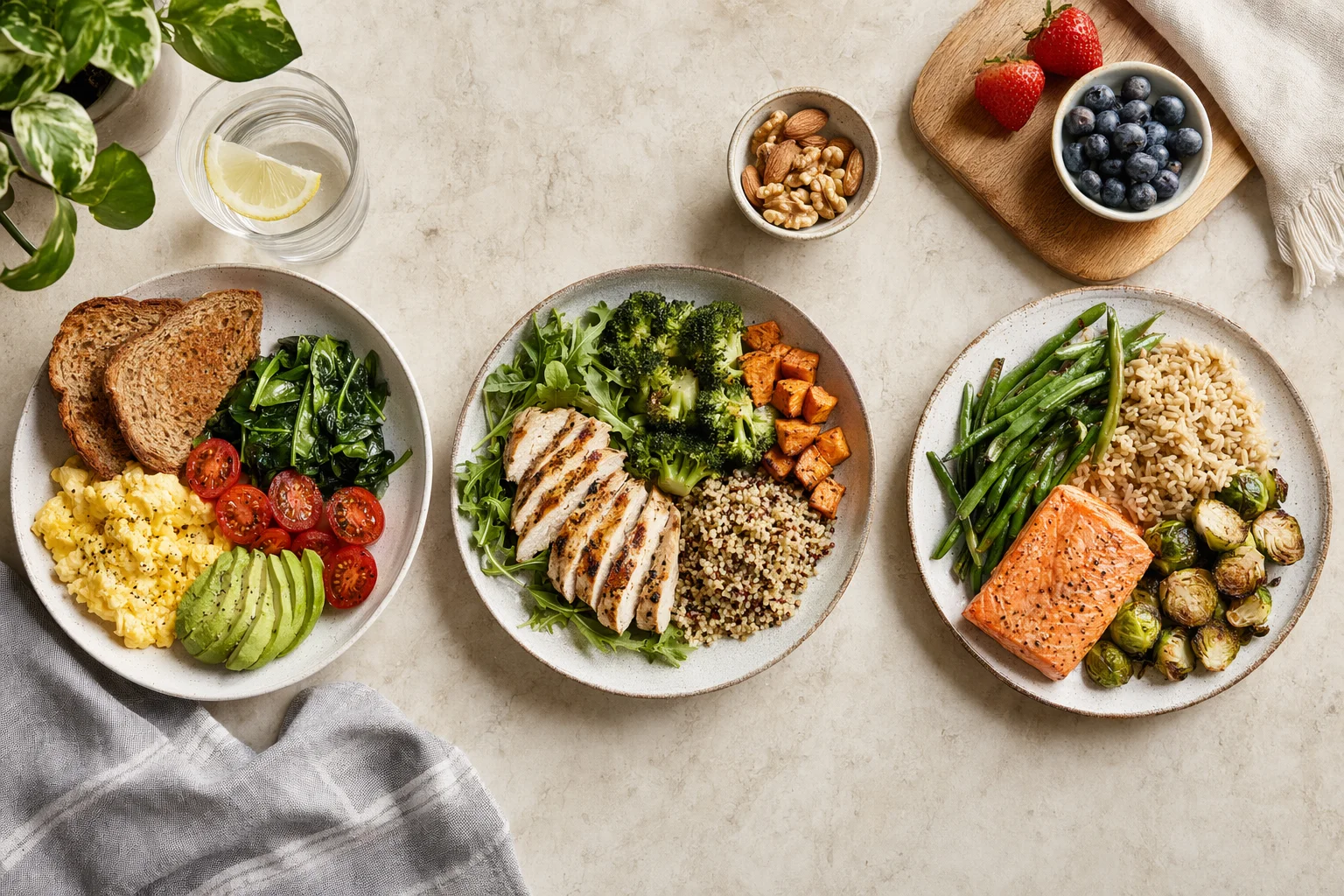
This is one of the most persistent myths in nutrition. The short answer: **no**.
In the 1970s, Frances Moore Lappé's book "Diet for a Small Planet" popularized the idea that vegetarians needed to combine complementary proteins at every single meal. She later retracted this claim, but the myth stuck.
**What the science actually says:**
Your body maintains an amino acid pool — a reserve of amino acids from all the protein you've eaten throughout the day. As long as you eat a variety of protein sources over the course of a day, your body assembles complete proteins from this pool.
A 2019 review in the American Journal of Clinical Nutrition confirmed that consuming complementary proteins across the day, not necessarily at the same meal, is sufficient for meeting essential amino acid requirements.
**My practical take:** Don't stress about combining at every meal. Focus on variety over the day. If you had oatmeal (grain) for breakfast, have hummus with pita (legume + grain) for lunch, and add some tofu (complete) at dinner — you're covered.
How Much Protein Do You Really Need?
The Recommended Dietary Allowance (RDA) for protein is **0.8g per kilogram of body weight** per day for a sedentary adult. That's about:
- 56g per day for an average man (70kg / 154 lbs)
- 46g per day for an average woman (58kg / 128 lbs)
But these are minimums to prevent deficiency, not optimal amounts. Research increasingly supports higher intakes:
- **Active adults:** 1.2-1.6g per kg
- **Strength athletes:** 1.6-2.2g per kg
- **Older adults (65+):** 1.0-1.2g per kg to prevent age-related muscle loss
- **Pregnant/breastfeeding:** 1.1-1.3g per kg
A simple strategy I follow: aim for 25-30g of protein at each meal. This amount triggers muscle protein synthesis effectively, according to research published in the Journal of Nutrition.
Practical Protein Pairing Chart
Keep this chart handy for easy meal planning:
| Incomplete Protein | Low In | Pair With | Example Meal |
|-------------------|--------|-----------|-------------|
| Rice / Grains | Lysine | Beans / Lentils | Rice and bean bowl |
| Wheat / Bread | Lysine | Hummus / Chickpeas | Whole wheat pita with hummus |
| Corn | Lysine, Tryptophan | Beans | Corn tortilla with black beans |
| Beans / Legumes | Methionine | Rice / Seeds | Lentil soup with pumpkin seeds |
| Nuts / Seeds | Lysine | Legumes | Peanut butter on toast |
| Oats | Lysine | Milk / Yogurt | Oatmeal with Greek yogurt |
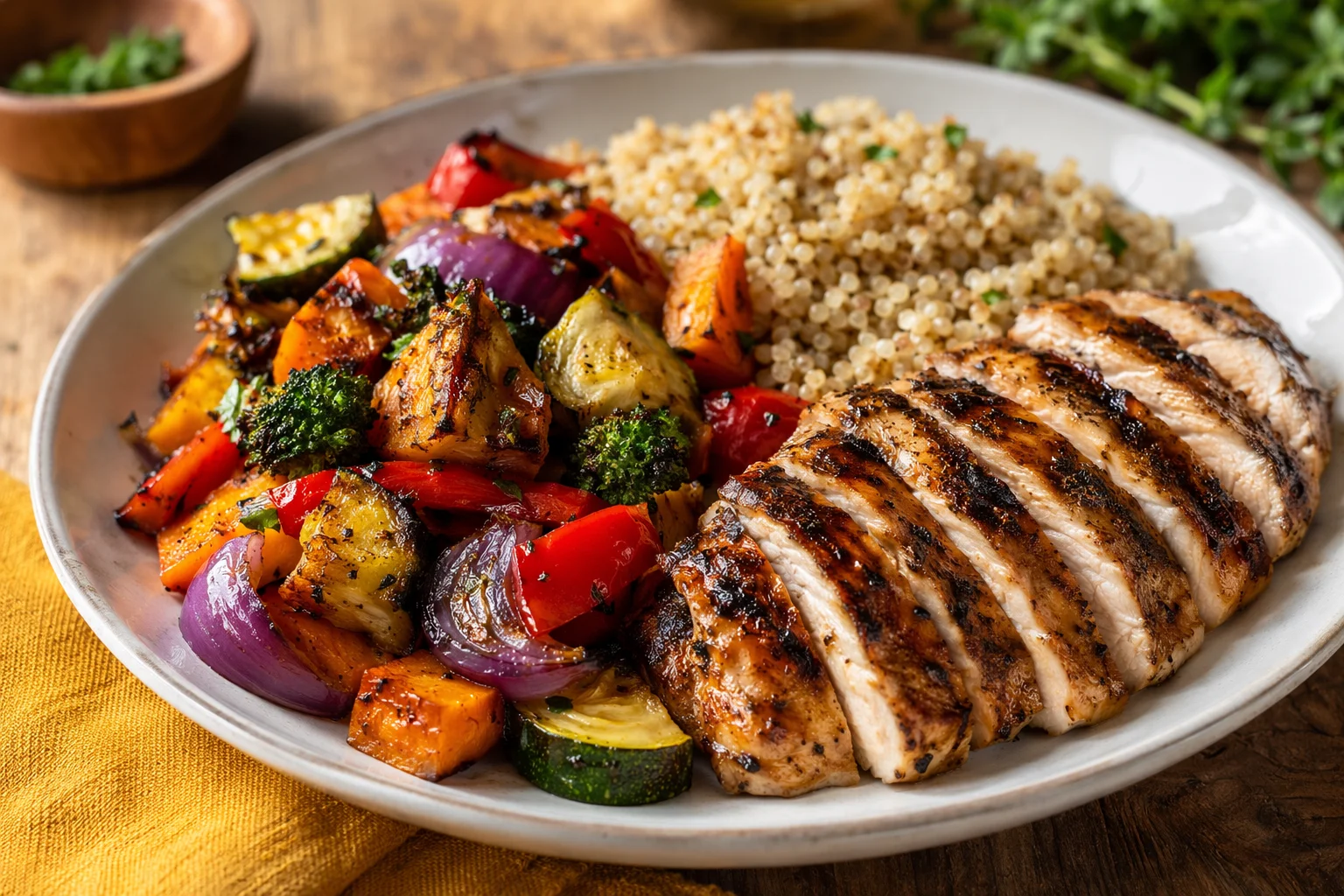
| Vegetables | Most EAAs | Any complete source | Salad with grilled chicken |
**Complete proteins (no pairing needed):** Chicken, beef, fish, eggs, dairy, tofu, tempeh, quinoa, buckwheat, chia, hemp
Source: USDA FoodData Central, Academy of Nutrition and Dietetics
Key Takeaways
**Don't overthink protein combining.** I used to stress about pairing rice with beans at every meal. Research shows your body pools amino acids throughout the day — as long as you eat a variety of protein sources, you're covered. Focus on variety over 24 hours, not per meal.
**Keep quinoa in your pantry.** It's one of the few plant-based complete proteins, cooks in 15 minutes, and works in everything from salads to grain bowls. I use it as a base at least twice a week.
**Check your protein at breakfast.** Most people get enough protein at lunch and dinner but fall short at breakfast. Adding an egg or Greek yogurt to your morning routine easily closes the gap.
**Soy is your best plant-based friend.** Tofu, tempeh, and edamame are complete proteins with protein quality comparable to meat. The FDA recognizes 25g of soy protein per day as part of a heart-healthy diet.
**Spread protein across meals.** Eating 30g at each meal triggers muscle protein synthesis more effectively than having 90g at dinner. I aim for roughly equal protein at breakfast, lunch, and dinner.