CM CookMio
Is Breakfast Really the Most Important Meal?

Is Breakfast Really the Most Important Meal?

Link copied!
2026-05-23 · 9 min read · Alex Chen

Where Did the "Most Important Meal" Idea Come From?

Vintage-style breakfast table with cereal bowl, toast, and fresh fruit in morning light
The phrase "breakfast is the most important meal of the day" has been repeated so often it feels like medical fact. But where did it start? The origin traces back to the 19th century, when Dr. James Caleb Jackson and later Dr. John Harvey Kellogg promoted breakfast cereals as health remedies at their sanitariums. Their goal was commercial as much as nutritional — they were selling grain-based products. By the 1920s, cereal companies had launched aggressive advertising campaigns embedding the idea into American culture. In 1944, General Foods ran a famous ad campaign stating: "Nutrition experts say: Breakfast is the most important meal of the day." The "experts" were the company's own marketing team. **The key takeaway:** The "most important meal" mantra was born from cereal marketing, not clinical research. That doesn't mean breakfast is unimportant — it means the absolute claim deserves scrutiny.

What Science Actually Says About Breakfast
Scientific research documents and healthy breakfast foods arranged on a desk
The research is more nuanced than "always eat breakfast" or "skip it entirely." Here's what the evidence shows on both sides. **Evidence supporting breakfast:** A 2019 meta-analysis in the British Medical Journal found that people who skip breakfast tend to have higher body mass index (BMI) and increased risk of obesity. Children and adolescents who eat breakfast consistently perform better on cognitive tasks and have improved academic performance, according to research from King's College London. Breakfast eaters also tend to have better overall nutrient intake. A study published in the Journal of the Academy of Nutrition and Dietetics found that breakfast consumers got more fiber, calcium, and essential vitamins than skippers. **Evidence against the breakfast mandate:** However, a 2019 review in the BMJ concluded that adding breakfast for people who don't normally eat it can actually lead to weight gain. The study found that breakfast skippers consumed an average of 260 fewer calories per day. Intermittent fasting research shows that time-restricted eating (often skipping breakfast) can improve insulin sensitivity, reduce inflammation, and support weight loss. A 2022 study in the New England Journal of Medicine found that intermittent fasting improved markers of metabolic health even without calorie restriction. **The honest conclusion:** There's no universal answer. Whether breakfast helps or hurts depends on your body, your activity level, and — crucially — what you actually eat.

What Happens When You Skip Breakfast

Clock showing morning time next to a cup of coffee and empty plate
If you skip breakfast, your body goes through several changes: **Blood sugar and energy:** Your blood sugar drops from its overnight fast, which can cause fatigue, irritability, and difficulty concentrating — especially in the first few hours of the morning. This is most noticeable in people who are used to eating breakfast. **Cortisol spike:** Skipping a morning meal can increase cortisol (the stress hormone) levels, according to research from the University of Bedfordshire. Elevated cortisol can trigger cravings for sugary and high-fat foods later in the day. **Overeating at lunch:** Many people compensate for a skipped breakfast by overeating at their next meal. A study in the journal Physiology & Behavior found that breakfast skippers consumed 20% more calories at lunch compared to those who ate a balanced breakfast. **Who feels it most:** The effects are stronger in children, pregnant women, people with diabetes, and anyone doing physically demanding morning work. If you're sedentary and don't feel hungry in the morning, skipping may work fine — but listen to your body, not a rule.

Best Breakfast Foods for Energy and Focus
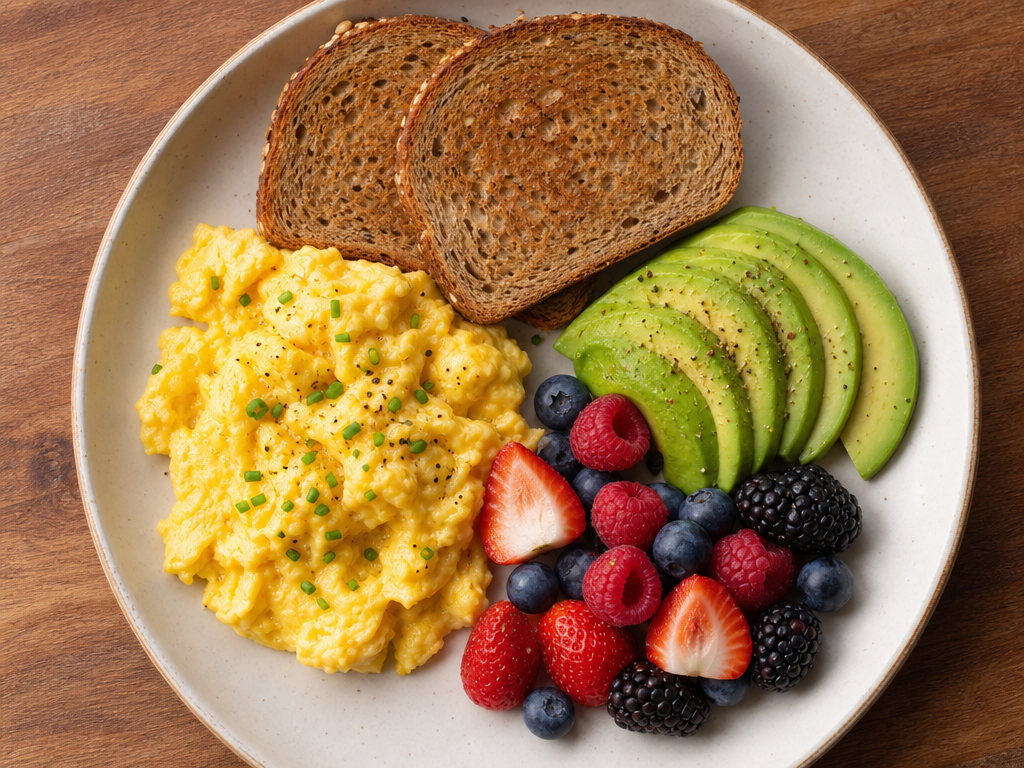
Balanced breakfast plate with eggs, whole grain toast, avocado, and berries
If you eat breakfast, what you choose matters more than whether you eat it. A sugary pastry spikes your blood sugar and crashes within 90 minutes. The right foods give you sustained energy for hours. **High-protein options (keeps you full longest):** - Eggs (6g protein each — scrambled, boiled, or in a frittata) - Greek yogurt (17g protein per 6 oz) - Cottage cheese (14g per half cup) - Smoked salmon on whole grain toast **Complex carbohydrates (steady energy release):** - Oatmeal with nuts and berries - Whole grain toast with avocado - Quinoa porridge **Fiber-rich additions (aids digestion and satiety):** - Chia seeds (5g fiber per tablespoon) - Berries (raspberries: 8g fiber per cup) - Ground flaxseed (3g per tablespoon) **My go-to breakfast:** Two eggs scrambled with spinach, a slice of whole grain toast, and a handful of berries. It takes 5 minutes, delivers about 25g protein, and keeps me focused until lunch without any mid-morning crash. According to the USDA, pairing protein with complex carbohydrates at breakfast provides the most sustained energy and helps maintain stable blood sugar levels throughout the morning.

Should You Eat Breakfast Every Day?

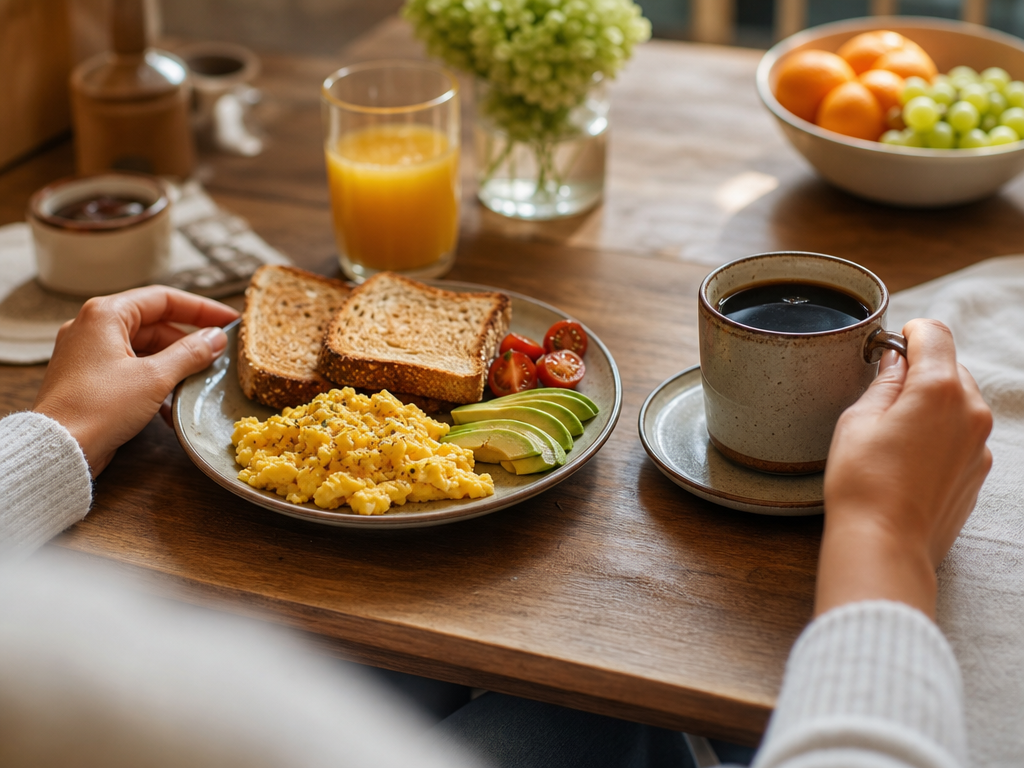
Person choosing between breakfast plate and coffee cup at a morning table setting, no faces
The short answer: it depends on your body and lifestyle. Here are clear guidelines for different situations. **You should eat breakfast if:** - You're a child or teenager (growing bodies need morning fuel) - You have diabetes or blood sugar management issues - You exercise in the morning and need energy - You feel hungry, sluggish, or irritable when you skip - You're pregnant or breastfeeding **Skipping may be fine if:** - You're not hungry in the morning and feel fine without it - You follow intermittent fasting and your eating window starts later - You're generally healthy and maintain balanced nutrition across your other meals **The mistake most people make:** Forcing themselves to eat when not hungry because they've been told they "should." If your body doesn't want food at 7 AM, don't force a heavy meal. Start with something light — a piece of fruit, a handful of nuts, or a yogurt — and see how you feel. A study from the International Journal of Obesity found that the most important factor for weight management wasn't whether people ate breakfast, but whether their eating pattern was consistent from day to day.

Quick Breakfast Ideas (Under 10 Minutes)
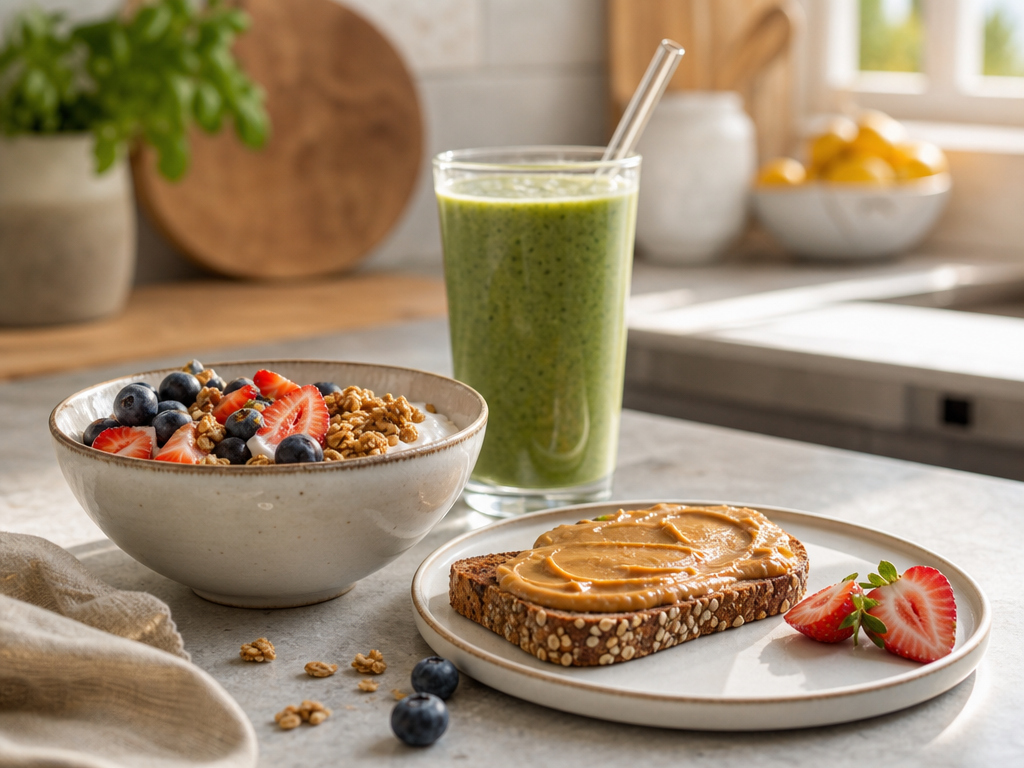
Quick breakfast spread with yogurt bowl, toast, and smoothie on a kitchen counter
The #1 reason people skip breakfast is time. Here are options that are fast, nutritious, and don't require cooking skills: **5-minute breakfasts:** - Greek yogurt bowl: yogurt + berries + granola + drizzle of honey - Overnight oats (prep the night before): oats + milk + chia seeds + cinnamon - Peanut butter banana toast: whole grain bread + peanut butter + sliced banana - Smoothie: frozen berries + spinach + protein powder + almond milk **10-minute breakfasts:** - Scrambled eggs with spinach and toast - Avocado toast with a fried egg on top - Oatmeal with walnuts and maple syrup - Cottage cheese with pineapple and almonds **Meal prep options (make once, eat all week):** - Egg muffin cups (bake on Sunday, grab and reheat) - Breakfast burritos (wrap and freeze, microwave in 2 minutes) - Our [Vegetable Frittata](/en/recipes/vegetable-frittata) keeps for 3 days and reheats beautifully **My rule of thumb:** If you have 5 minutes, you have time for breakfast. A yogurt bowl or peanut butter toast takes less time than scrolling through your phone.

Common Breakfast Myths Debunked

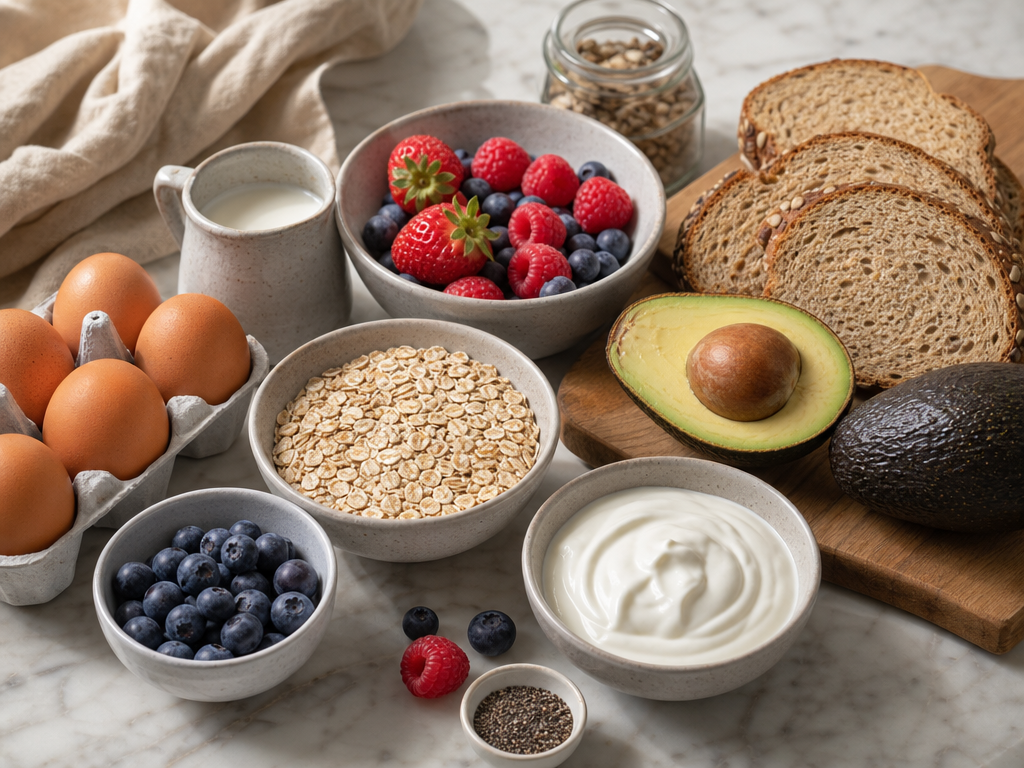
Healthy breakfast ingredients laid out on a counter with common myths overlaid concept
**Myth 1: "Breakfast kickstarts your metabolism."** Your metabolism doesn't shut off when you sleep — it slows by only about 5-10%. Eating breakfast doesn't significantly increase your overall daily calorie burn, according to a 2014 study in the American Journal of Clinical Nutrition. What matters for metabolism is total daily intake and activity, not meal timing. **Myth 2: "You must eat within 30 minutes of waking up."** There's no scientific basis for this window. Your body doesn't have a countdown timer. Eating within 1-2 hours of waking is perfectly fine for most people. **Myth 3: "A big breakfast means you'll eat less all day."** A large breakfast can actually increase your total daily calorie intake. Research from the University of Munich found that a big breakfast added to, rather than replaced, calories at subsequent meals. **Myth 4: "Coffee counts as breakfast."** Black coffee has almost zero calories and no protein or fiber. It suppresses appetite temporarily but doesn't provide the nutrients your body needs. If you're not hungry, at least pair it with a small protein source like a handful of nuts. **Myth 5: "Skipping breakfast ruins your metabolism forever."** Your metabolism is resilient. A 2020 study in the Journal of Nutrition found that intermittent fasting (which often involves skipping breakfast) had no negative effect on resting metabolic rate when protein intake was adequate.

Key Takeaways

**Don't force breakfast if you're not hungry.** I spent years eating when my body didn't want food because I believed the "most important meal" hype. Once I started listening to my actual hunger cues, my energy became more consistent.

**Pair protein with complex carbs.** An egg-only breakfast leaves me hungry by 10 AM. Adding whole grain toast stretches the energy to lunch. The protein-carb combo is the sweet spot for sustained focus.

**Watch out for "healthy" breakfast traps.** Granola bars, flavored yogurts, and smoothie bowls can pack 20-30g of added sugar. Always check labels — look for less than 8g added sugar per serving.

**Prep the night before if mornings are rushed.** Overnight oats or hard-boiled eggs take zero morning effort. I prep my breakfast while cleaning up dinner — it takes 2 extra minutes.

**Cortisol is highest in the morning.** According to the Cleveland Clinic, eating a balanced breakfast helps regulate the natural morning cortisol spike, reducing stress and mid-morning cravings.

Frequently Asked Questions

Should you eat breakfast every day?
It depends. Children, pregnant women, people with diabetes, and morning exercisers benefit from eating breakfast. If you're healthy, not hungry in the morning, and eating balanced meals later, skipping is fine. Consistency matters more than timing.
What happens to your body when you skip breakfast?
Blood sugar drops, cortisol rises, and you may overeat at your next meal (20% more calories on average, per research). However, if you're used to skipping and feel fine, your body adapts over time.
What is the healthiest breakfast to eat?
A combination of protein and complex carbohydrates: eggs with whole grain toast, Greek yogurt with berries and nuts, or oatmeal with seeds. Aim for 20-30g protein and less than 8g added sugar to sustain energy until lunch.
Is intermittent fasting better than eating breakfast?
Neither is universally better. Intermittent fasting can improve insulin sensitivity and support weight loss for some people. Eating breakfast provides better nutrient distribution and energy for others. The best approach is whichever you can sustain consistently.
Can skipping breakfast help you lose weight?
It can reduce daily calorie intake by about 260 calories on average. But skipping breakfast may also increase cortisol and lead to overeating later. According to the International Journal of Obesity, consistency in your eating pattern matters more for weight management than whether you eat breakfast.