What Is the Mediterranean Diet?
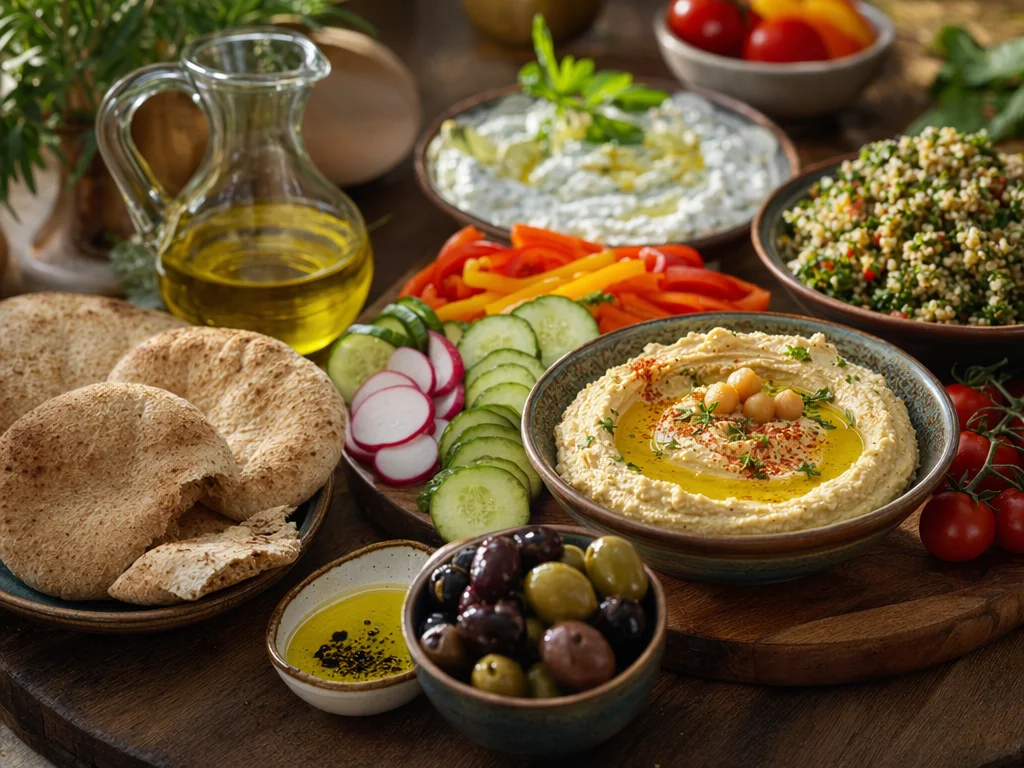
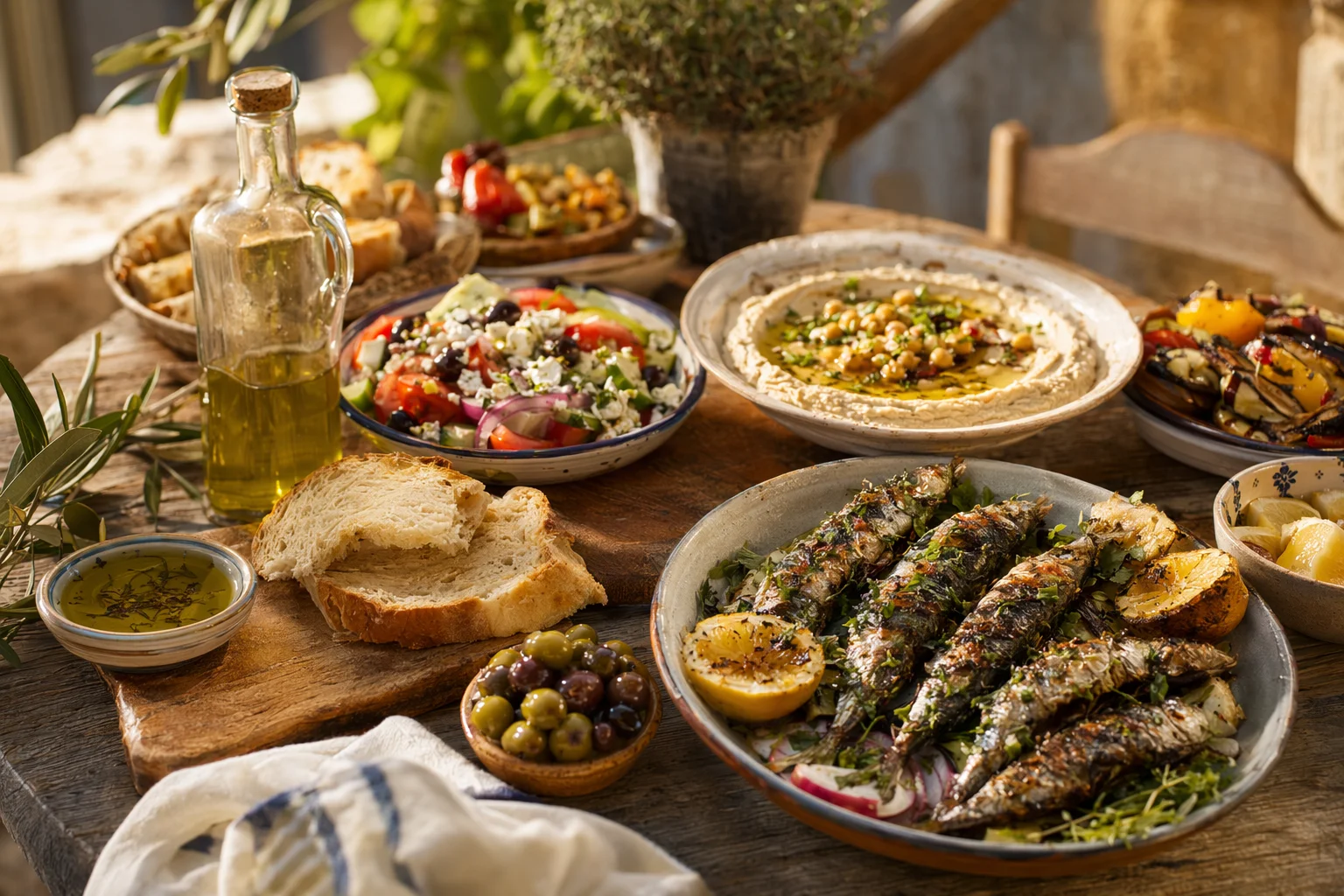
The Mediterranean diet isn't a "diet" in the weight-loss sense. It's an eating pattern based on the traditional foods of countries bordering the Mediterranean Sea — Greece, Italy, Spain, and southern France.
In the 1950s, the Seven Countries Study found that people in the Mediterranean region had significantly lower rates of heart disease despite eating a relatively high-fat diet. The key wasn't how much fat they ate, but what kind — primarily olive oil, nuts, and fish.
Since then, the Mediterranean diet has become one of the most researched eating patterns in the world. It consistently ranks as the #1 overall diet by U.S. News & World Report, and a 2023 study in the journal Heart found it reduces cardiovascular risk by up to 24%.
**What makes it different:** The Mediterranean diet doesn't eliminate food groups or require calorie counting. It focuses on food quality, balance, and the pleasure of eating — which is why people stick with it long-term.
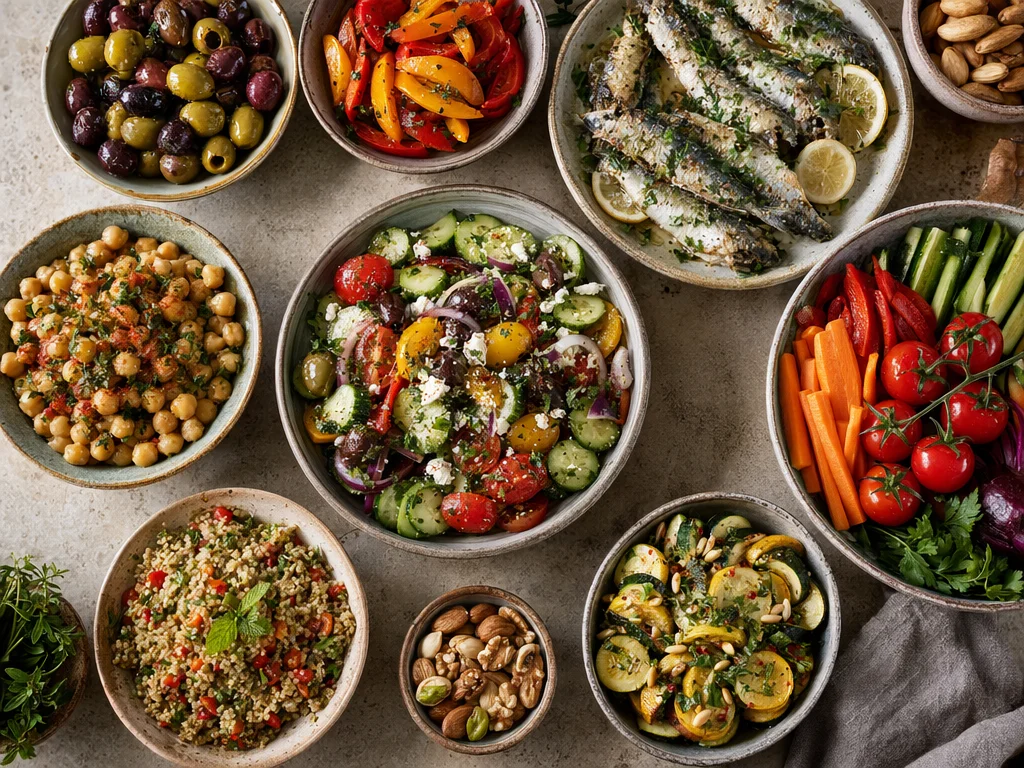
Mediterranean Diet Foods List
The Mediterranean diet categorizes foods by how often you should eat them:
**Eat every day:**
- Vegetables (all kinds — the more variety, the better)
- Fruits (fresh, frozen, or dried)
- Whole grains (brown rice, whole wheat, oats, quinoa, barley)
- Legumes (beans, lentils, chickpeas)
- Nuts and seeds (almonds, walnuts, sunflower seeds)
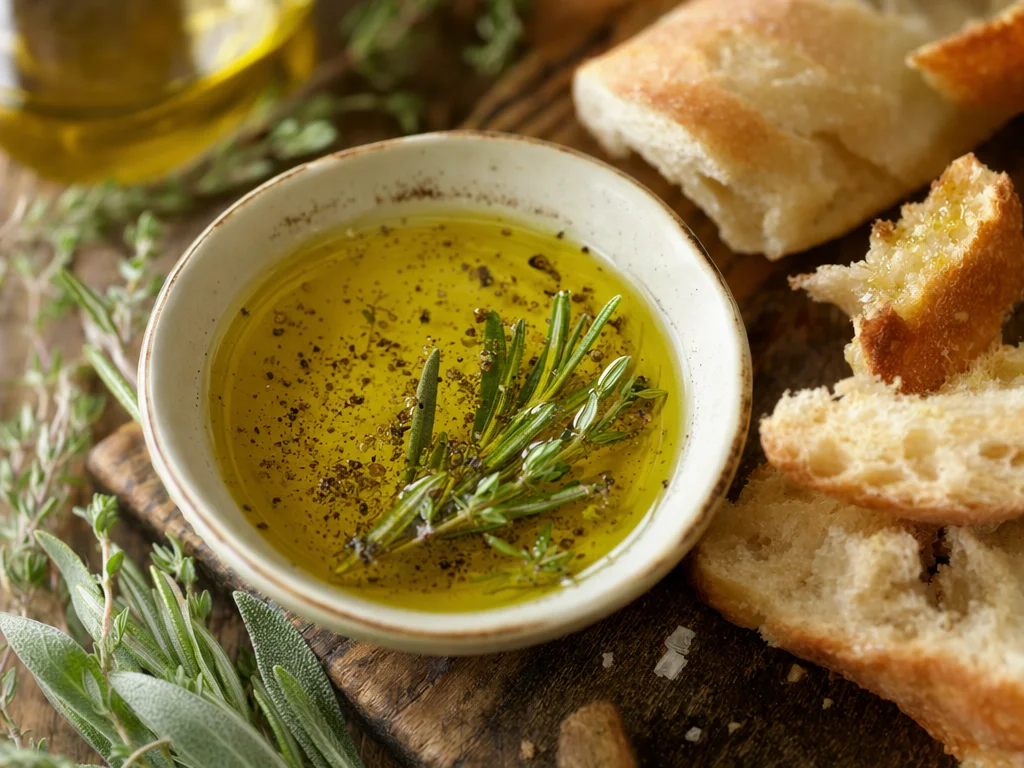
- Olive oil (extra virgin — your primary cooking fat)
- Herbs and spices (replace salt with flavor)
**Eat a few times per week:**
- Fish and seafood (aim for 2-3 times per week)
- Poultry (chicken, turkey)
- Eggs (up to 7 per week)
- Dairy (cheese, yogurt — moderate portions)
**Eat rarely (a few times per month):**
- Red meat (beef, pork, lamb)
- Sweets and added sugars
- Processed meats (sausage, bacon, deli meats)
- Butter and margarine (use olive oil instead)
Mediterranean Diet Benefits
The evidence for the Mediterranean diet is unusually strong because it comes from decades of large-scale studies, not short-term trials:
**Heart health:** A 2023 meta-analysis published in Heart found that following the Mediterranean diet reduces the risk of cardiovascular disease by 24%, coronary heart disease by 28%, and stroke by 20%. The PREDIMED trial in Spain — one of the largest diet studies ever conducted — was stopped early because the benefits were so clear.
**Brain health:** Research published in the journal Neurology shows the Mediterranean diet is associated with a 30-40% lower risk of Alzheimer's disease. The combination of healthy fats, antioxidants, and anti-inflammatory compounds appears to protect brain cells.
**Weight management:** Unlike restrictive diets, the Mediterranean diet supports gradual, sustainable weight loss. A 2016 review in the American Journal of Medicine found it more effective than low-fat diets for long-term weight management.
**Type 2 diabetes:** The diet's emphasis on whole grains, legumes, and healthy fats helps stabilize blood sugar. Studies show a 23% lower risk of developing type 2 diabetes.
**Longevity:** The Mediterranean "Blue Zones" — regions with the highest concentration of centenarians — share this dietary pattern as a common factor.
How to Start the Mediterranean Diet
Don't overhaul your entire kitchen overnight. The biggest mistake people make is trying to change everything at once. Here's a gradual 3-week approach:
**Week 1 — Simple Swaps:**
- Replace butter with olive oil for cooking
- Switch from white bread to whole grain
- Snack on nuts instead of chips
- Add one extra vegetable to dinner
**Week 2 — Build Mediterranean Meals:**
- Make a big salad your lunch base (greens + vegetables + chickpeas + olive oil dressing)
- Cook fish once this week (salmon, sardines, or cod)
- Try one new legume recipe (lentil soup, chickpea curry)
- Use herbs and spices instead of salt
**Week 3 — Make It a Habit:**
- Cook with olive oil exclusively
- Eat fish twice a week
- Have fruit for dessert instead of sweets
- Prepare a batch of whole grains for the week
**My tip:** Start with the one swap that feels easiest. For me, that was switching to olive oil. Once that became automatic, I moved to the next change.
A Sample Day of Mediterranean Eating
Here's what a typical day looks like on the Mediterranean diet — no exotic ingredients or complicated recipes:
**Breakfast:**
Greek yogurt topped with walnuts, honey, and fresh berries. A slice of whole grain toast with a drizzle of olive oil.
**Lunch:**
Large mixed greens salad with cherry tomatoes, cucumber, red onion, chickpeas, feta cheese, and a lemon-olive oil vinaigrette. A piece of whole grain bread on the side.
**Snack:**
A handful of almonds and an apple. Or hummus with carrot and celery sticks.
**Dinner:**
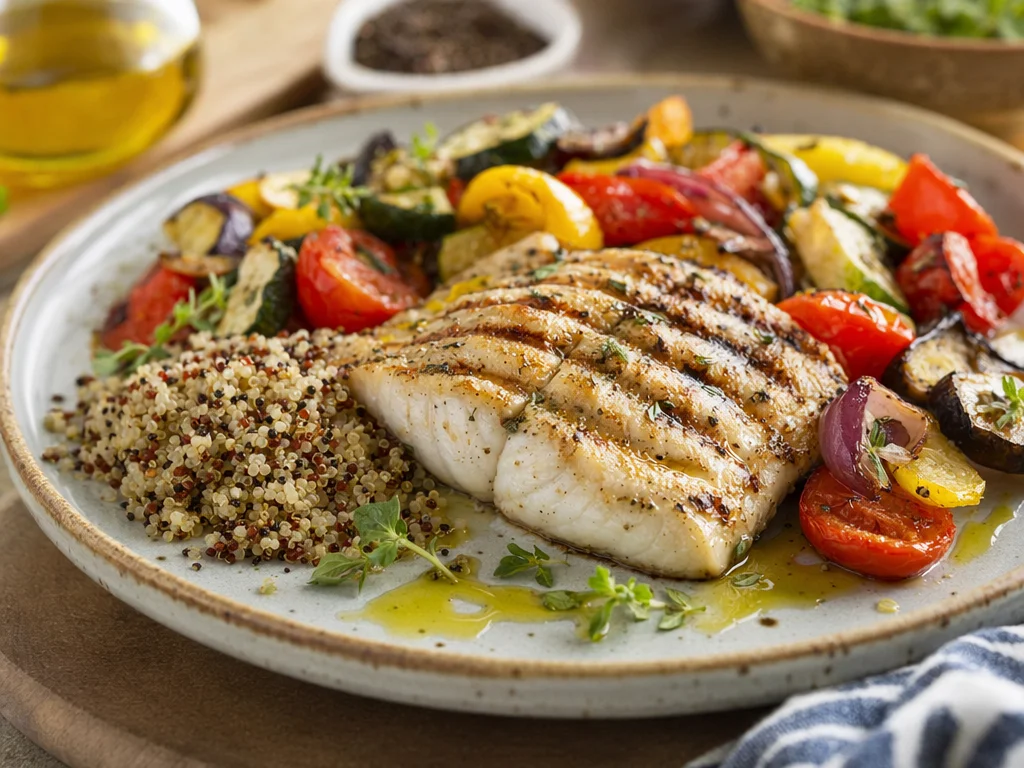
Baked salmon with roasted vegetables (zucchini, bell peppers, red onion) tossed in olive oil and herbs. A side of quinoa or brown rice.
**Dessert (optional):**
Fresh fruit — a bowl of figs, a ripe peach, or sliced melon.
Notice: no calorie counting, no hunger, no complicated meal prep. The food is satisfying because it's rich in healthy fats and fiber.
Common Mistakes to Avoid
**Mistake 1: Eating too much cheese and red meat.** The "Mediterranean" label doesn't mean unlimited Italian food. Traditional Mediterranean eating uses cheese as a garnish, not a main ingredient. Red meat is a once-or-twice-a-month occasion.
**Mistake 2: Forgetting the lifestyle factors.** The Mediterranean diet isn't just about food. The traditional pattern includes regular physical activity, shared meals with others, and moderate red wine with dinner (optional). These social and lifestyle elements are part of why it works.
**Mistake 3: Loading up on pasta.** In the traditional Mediterranean pattern, pasta is a small first course, not a heaping plate. Think of it as a side dish, not the centerpiece.
**Mistake 4: Using refined olive oil.** Extra virgin olive oil (EVOO) is the gold standard. It contains polyphenols — powerful antioxidants — that refined oils lack. The difference matters for health benefits.
**Mistake 5: Skipping the legumes.** Beans and lentils are a cornerstone of the Mediterranean diet. They're affordable, shelf-stable, and packed with protein and fiber. If you're not eating legumes at least 3 times a week, you're missing a key component.
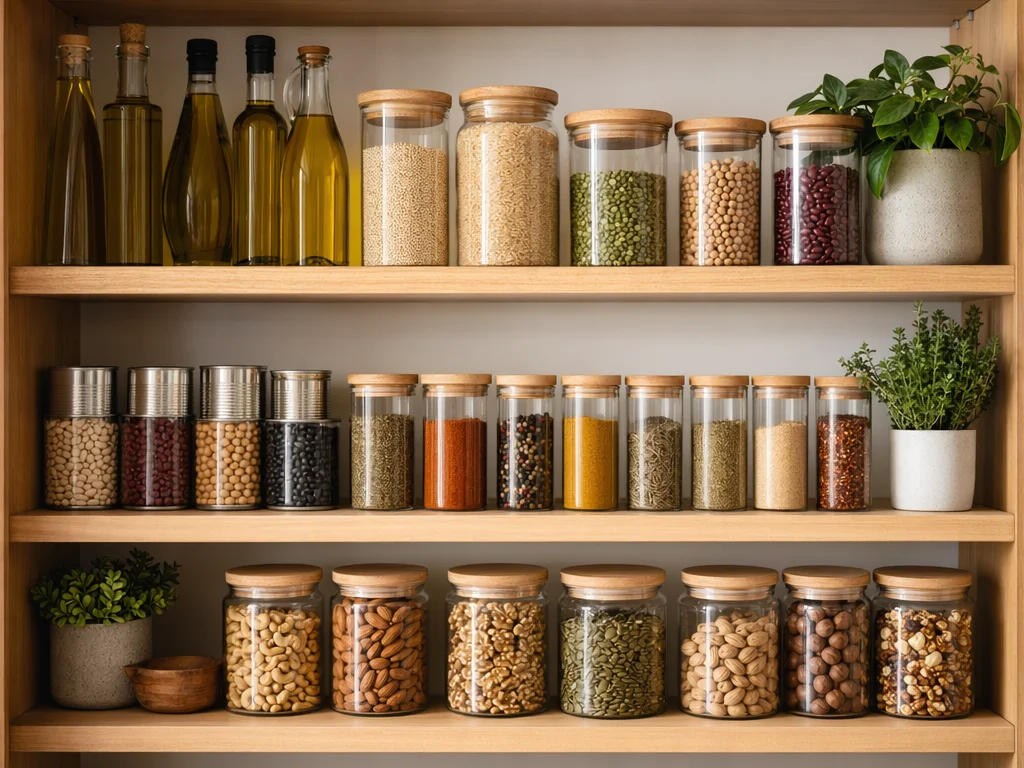
Mediterranean Pantry Essentials
Stock these staples and you can make a Mediterranean meal any night of the week:
**Oils and fats:**
- Extra virgin olive oil (your primary cooking and finishing oil)
**Grains:**
- Brown rice, quinoa, whole wheat pasta, oats, barley, farro
**Canned goods:**
- Chickpeas, cannellini beans, diced tomatoes, tuna in olive oil, sardines
**Nuts and seeds:**
- Almonds, walnuts, pine nuts, sunflower seeds
**Condiments:**
- Lemons, red wine vinegar, Dijon mustard, capers, olives
**Herbs and spices:**
- Oregano, basil, thyme, rosemary, cumin, paprika, black pepper, garlic
**Protein:**
- Eggs, Greek yogurt, feta cheese, frozen salmon or cod fillets
With these basics, I can make a Mediterranean dinner in under 30 minutes on any weeknight. The key is having the building blocks ready.
Key Takeaways
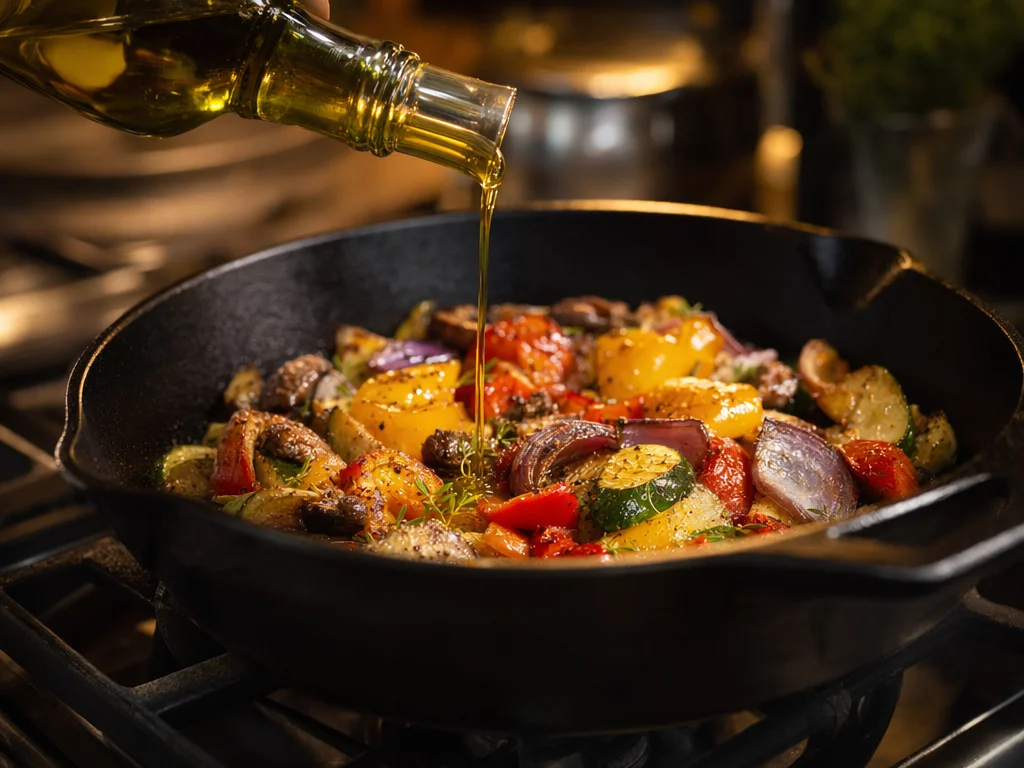
**Start with olive oil — it's the single most impactful swap.** I switched from butter to extra virgin olive oil for all cooking and never looked back. Use it for sautéing, roasting, salad dressings, and even finishing dishes. One change, massive health benefit.
**Keep canned chickpeas and beans always stocked.** They're the backbone of Mediterranean eating. I drain and rinse a can of chickpeas almost daily — for salads, soups, or quick hummus. At $1-2 per can, they're also the most affordable protein source.
**Don't fear the fat — embrace the right fat.** The Mediterranean diet gets 35-40% of calories from fat, mostly olive oil and nuts. This isn't a low-fat diet, and that's the point. Healthy fats keep you full and help absorb vitamins A, D, E, and K.
**Make a big batch of grains on Sunday.** Cook a pot of quinoa or brown rice at the start of the week. Having ready-to-use grains means a Mediterranean bowl is always 10 minutes away — just add vegetables, beans, and a drizzle of olive oil.
**Eat fish twice a week — frozen is fine.** Fresh salmon is great, but frozen fillets work perfectly and cost less. I keep a bag of frozen cod in the freezer for those nights when I haven't planned anything. Bake at 400°F for 12-15 minutes with olive oil and lemon.