Ingredients
Pasta & meat
Egg sauce
Finish
Enjoy your meal!
Instructions
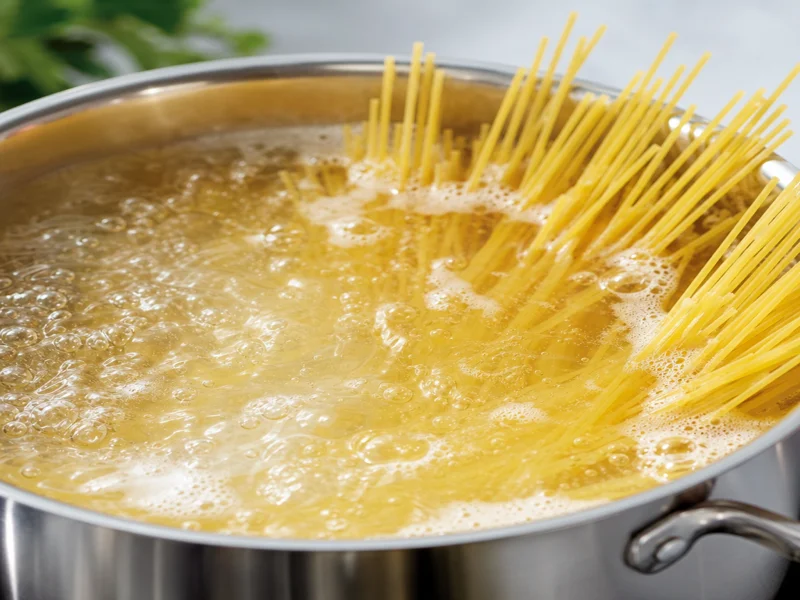
Bring a large pot of well-salted water to a boil (it should taste like the sea). Add the spaghetti and cook until al dente, usually 1 minute less than the package time. Reserve 1 cup of pasta water before draining.
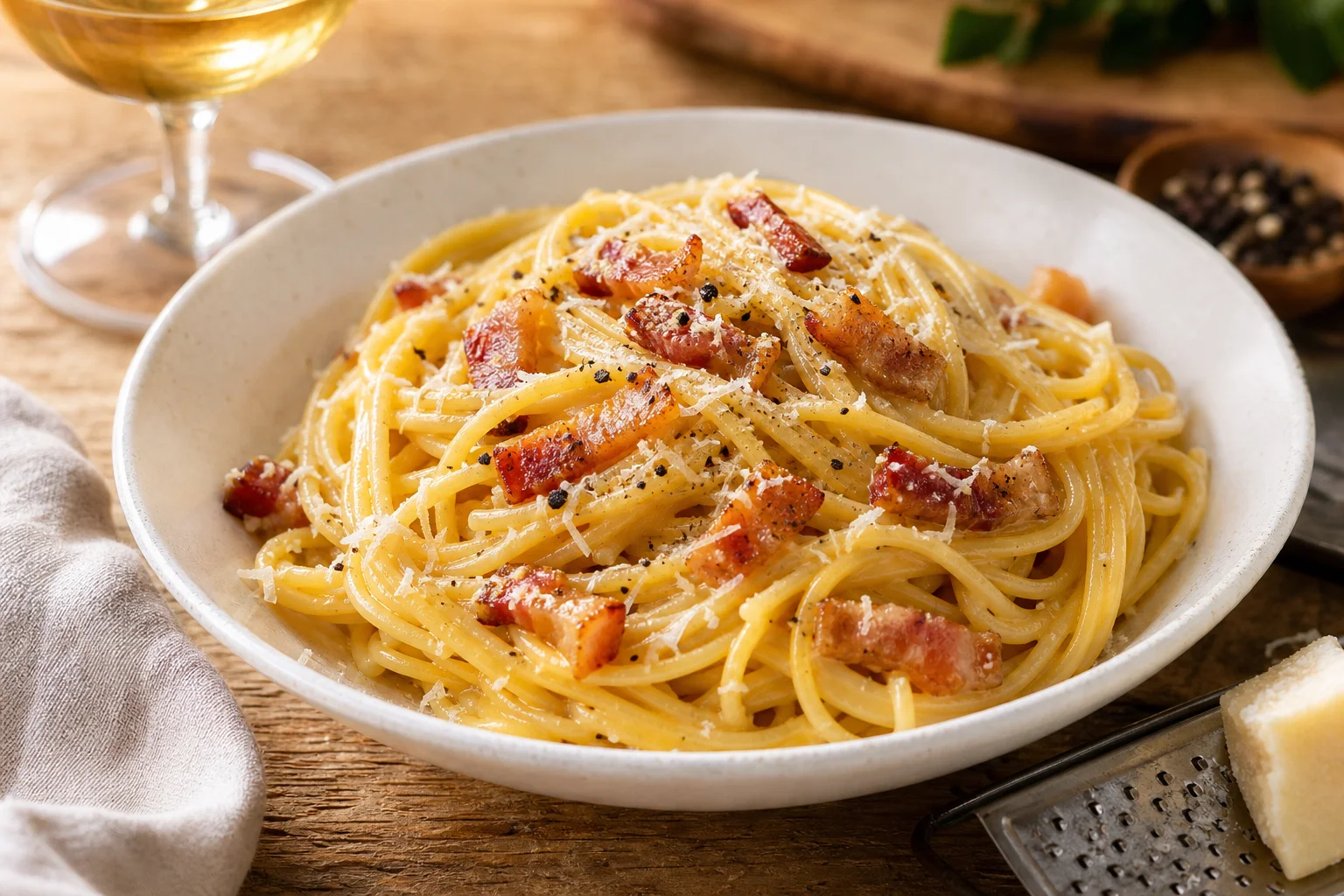
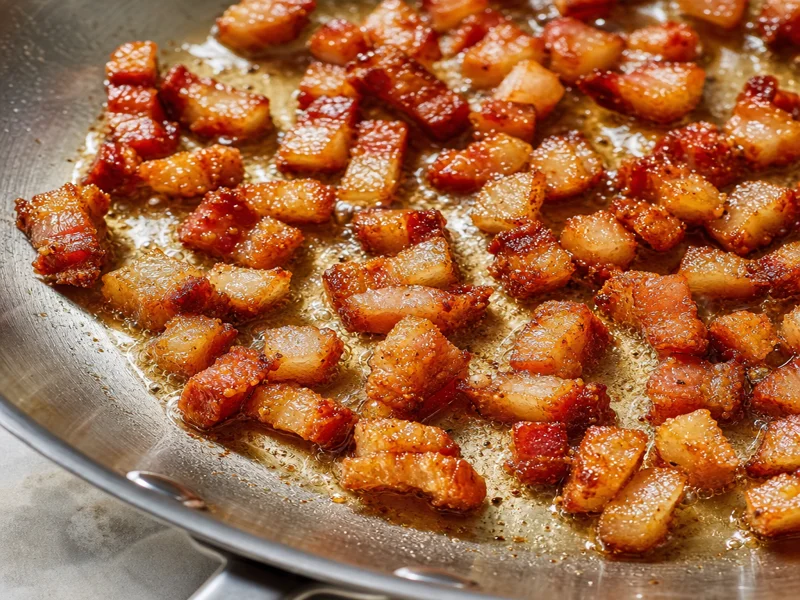
While the pasta cooks, place a large skillet over medium heat and add the diced guanciale. Fry for 5-6 minutes, stirring occasionally, until the fat has rendered and the meat is golden and crispy. Remove from heat.
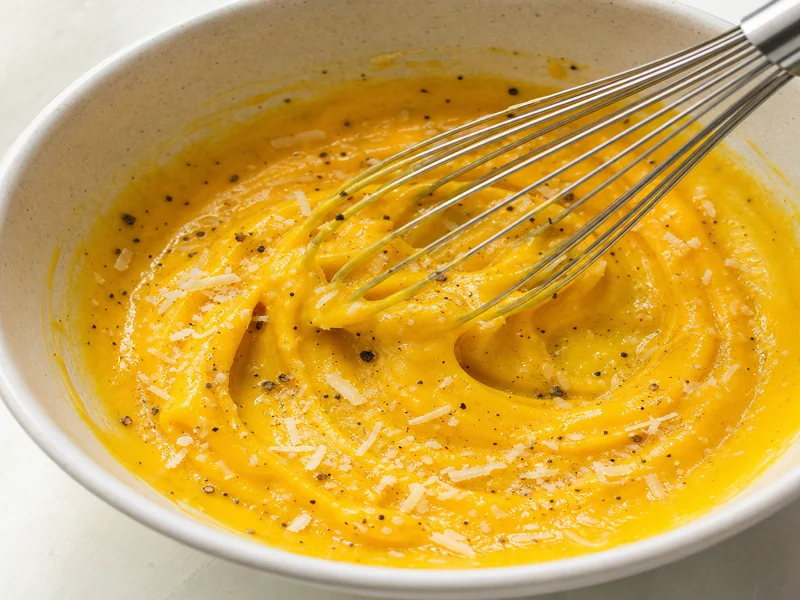
In a bowl, whisk the egg yolks, whole egg, grated Pecorino Romano and black pepper into a thick paste. The mixture should be the consistency of a loose dough.
Add the drained hot pasta directly to the skillet with the guanciale and its rendered fat. Toss for 30 seconds to coat the pasta and cool the pan slightly - this prevents the eggs from scrambling.
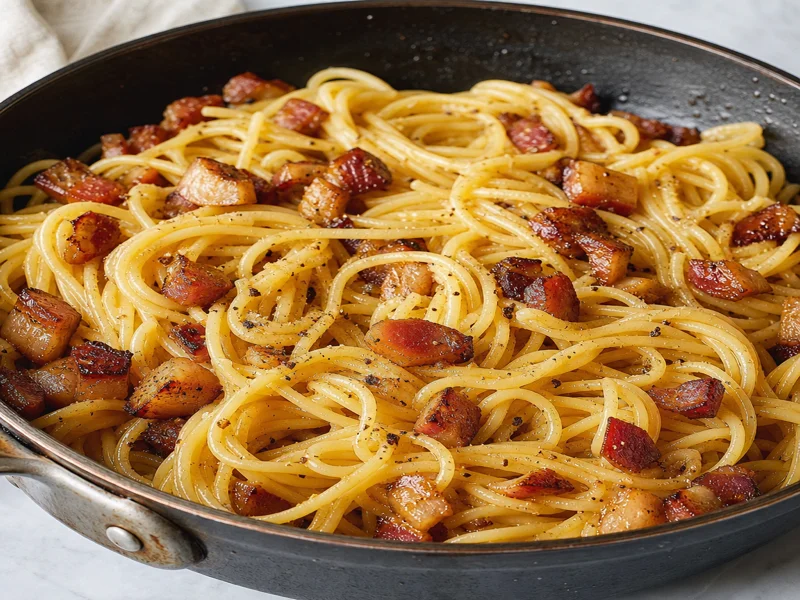
Remove the skillet from the heat. Pour in the egg and cheese mixture and toss vigorously with tongs, adding splashes of reserved pasta water until you get a glossy, silky sauce that coats every strand. The residual heat cooks the eggs gently.
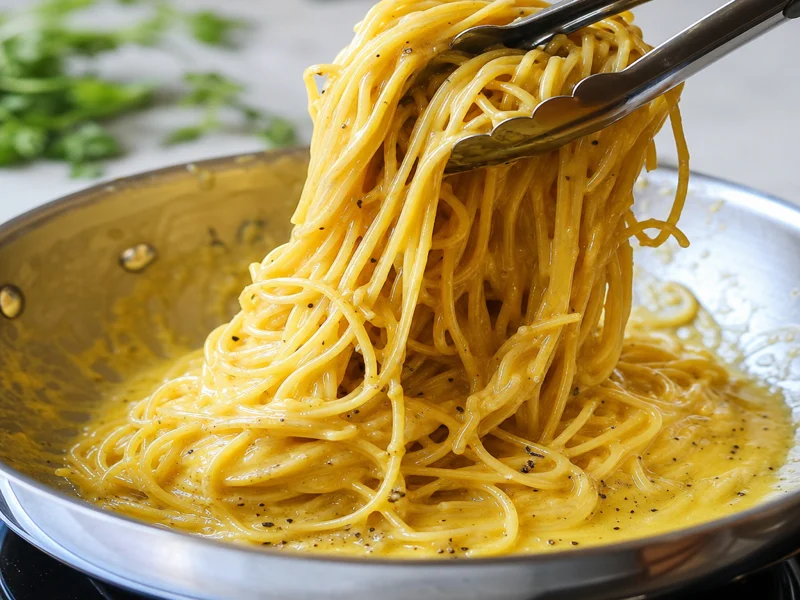
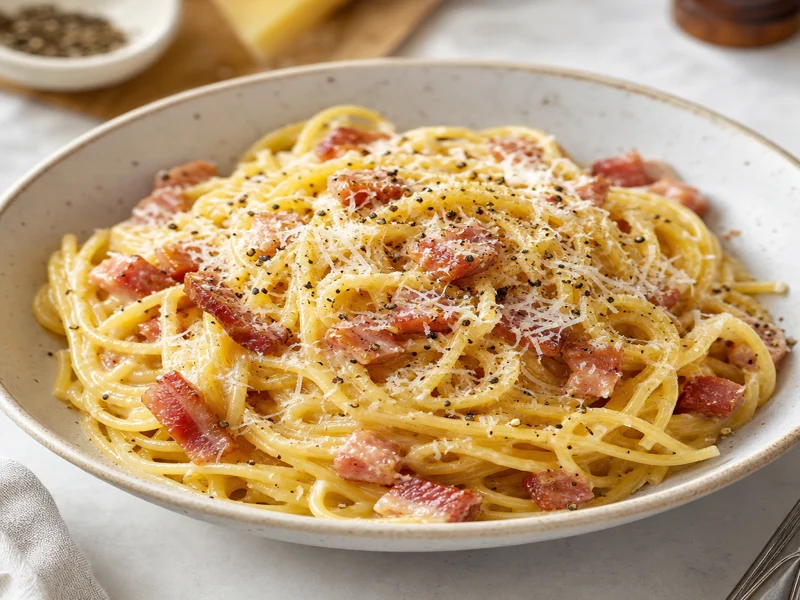
Serve immediately in warm bowls, topped with extra Pecorino Romano and a generous grind of black pepper. The carbonara should be creamy and flowing, never stiff or dry.
Personal Tips
- Never add the egg mixture to a pan that is on the heat. The number-one mistake is scrambled-egg pasta. Off the heat, residual warmth from the pasta gently thickens the eggs into a silky sauce instead of curdling them.
- Use Pecorino Romano, not Parmesan, for true Roman carbonara. Pecorino is made from sheep milk and has a sharper, saltier bite that defines the dish. Parmesan is milder and acceptable, but the flavor will be different.
- Reserve plenty of pasta water. The starch in it is what emulsifies the fat and egg into a creamy sauce. Add it a splash at a time until the sauce flows - you will usually need 3-5 tablespoons.
- Guanciale (cured pork jowl) is authentic; pancetta is the common substitute. Bacon works in a pinch but adds a smoky note that is not Italian - use it only if you cannot find the others.
- Serve carbonara immediately. It does not hold or reheat well because the sauce tightens as it sits. If you must reheat, add a splash of water over very low heat and stir gently.
Nutrition (per serving)
Nutrition (per serving): 1 plate (approximately 320g) | USDA FoodData Central
Tags
Frequently Asked Questions
Why does my carbonara turn into scrambled eggs?
Is cream used in authentic carbonara?
Guanciale vs pancetta vs bacon - what is the difference?
Can I use Parmesan instead of Pecorino Romano?
How do I get a smooth, glossy sauce?
Can I make carbonara ahead of time?
Dietary Restrictions
Allergens
Not Suitable For
- Celiac (contains wheat pasta)
- Vegans and vegetarians (contains guanciale and egg)
- Pork-free diets
Modifications
- Use gluten-free pasta for a celiac-safe version
- Swap guanciale for smoky mushrooms or vegetarian bacon for a vegetarian version
- Use a dairy-free hard cheese alternative for a dairy-free version