Ingredients
Pork & rub
To serve
Enjoy your meal!
Instructions
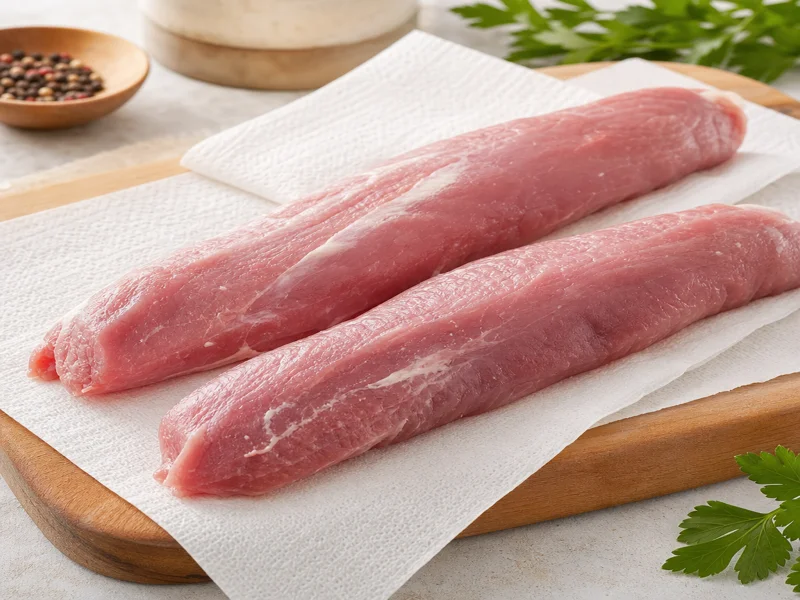
Preheat the oven to 425°F (220°C). Pat the pork tenderloins completely dry with paper towels - a dry surface is essential for a good crust. Trim off any silver skin with a sharp knife.
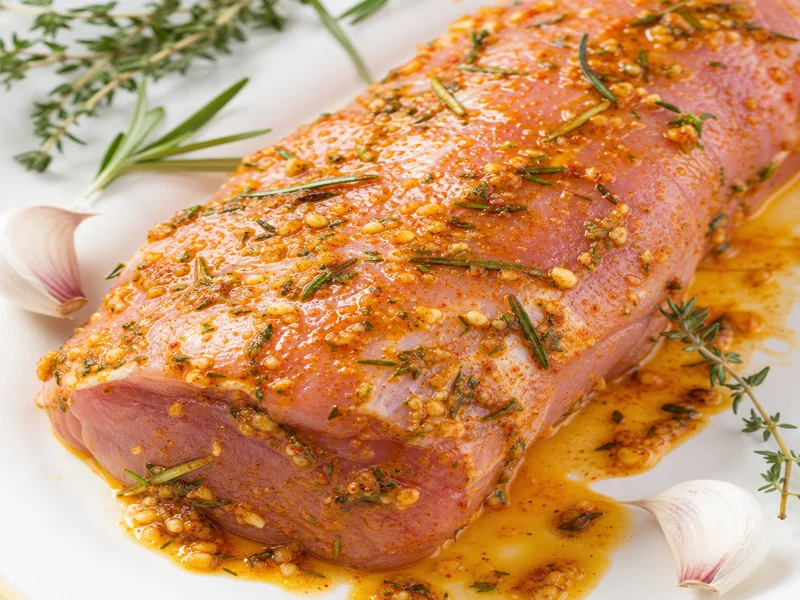
In a small bowl, mix the olive oil, minced garlic, rosemary, thyme, salt, black pepper and smoked paprika into a paste. Rub it all over the tenderloins, coating every side.
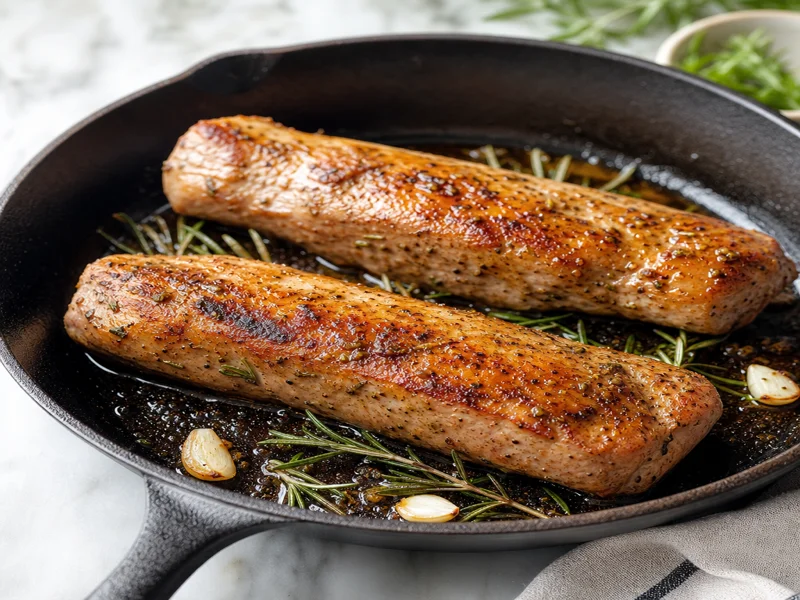
Heat a large oven-safe skillet over medium-high heat. Sear the tenderloins for 2 minutes per side, until deeply browned on all sides. This builds flavor through the Maillard reaction.
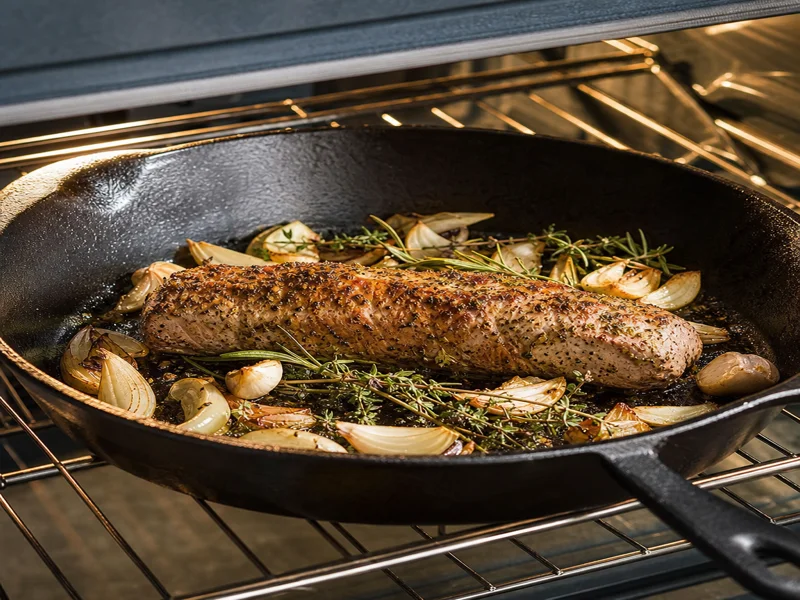
Transfer the skillet directly to the hot oven. Roast for 12-15 minutes, until a meat thermometer in the thickest part reads 145°F (63°C) - the pork will be slightly pink and juicy inside.
Move the tenderloins to a cutting board and tent loosely with foil. Let them rest for 5-10 minutes - this is non-negotiable. Resting lets the juices redistribute so they do not flood out when sliced.
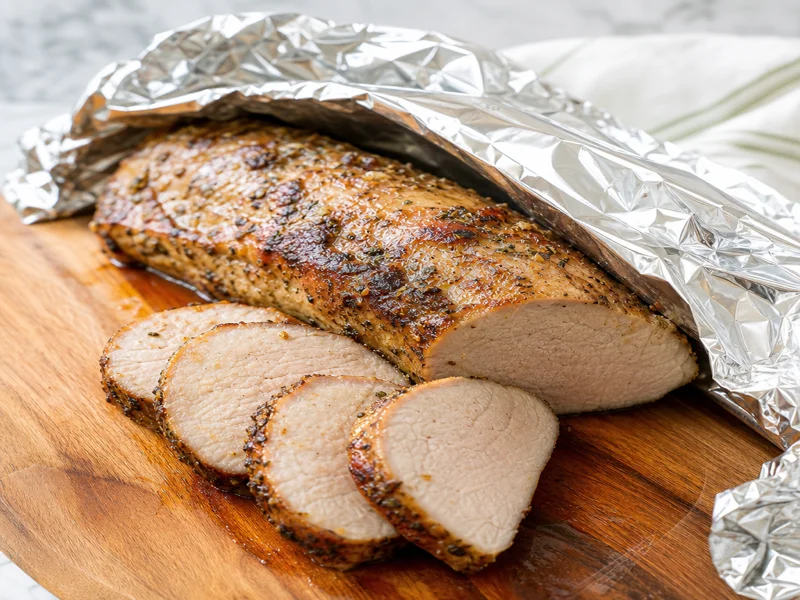
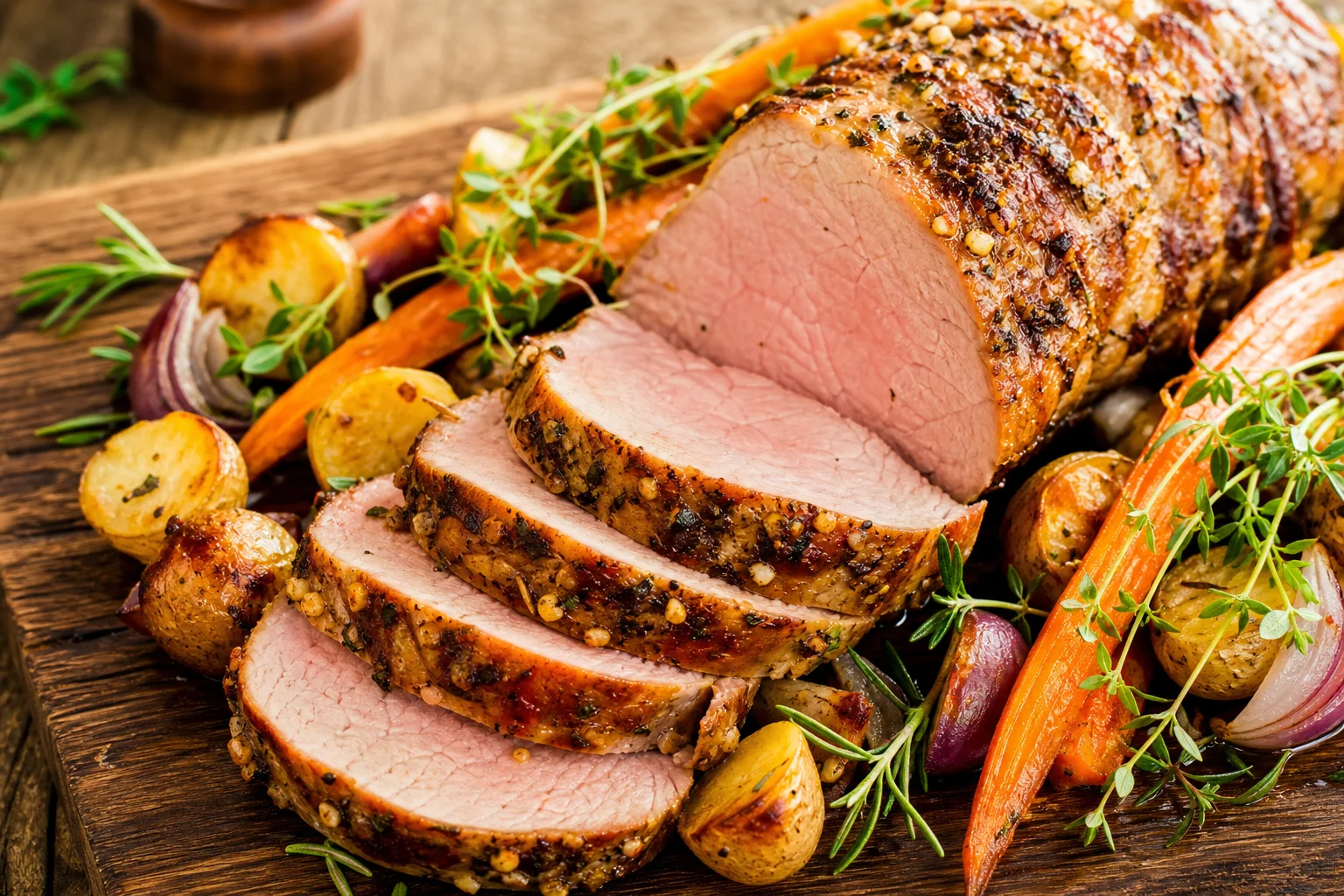
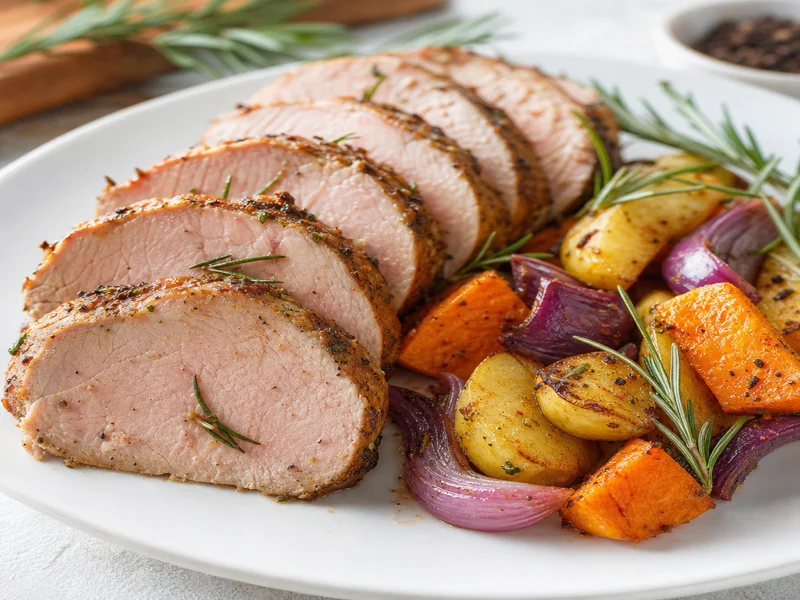
Slice the tenderloins into ½-inch (1 cm) medallions. Serve with the resting juices spooned over, alongside roasted vegetables or mashed potatoes. The pork should be tender, juicy and faintly pink.
Personal Tips
- Use a meat thermometer - it is the single biggest difference between juicy and dry pork. Pull the tenderloin at 145°F (63°C); it will rise a few degrees while resting. Cooking to the old 160°F (71°C) standard guarantees dry, tough meat.
- Rest the meat for at least 5 minutes before slicing. Cutting immediately lets the juices pour out onto the board, leaving the pork dry. Resting redistributes them throughout the meat.
- Sear before roasting for a flavor-packed crust. The hot skillet browns the outside through the Maillard reaction in 2 minutes per side - far less than roasting alone, which dries the surface before it browns.
- Pork tenderloin is not pork loin. Tenderloin is small (¾ lb each), cooks fast and stays juicy. Pork loin is a large roast that needs a different time and temperature. Do not swap them in this recipe.
- The slight pink in the center is safe and correct. The USDA updated its safe pork temperature to 145°F (63°C) in 2011. Pink does not mean undercooked - it means juicy. Carryover cooking finishes it during the rest.
Nutrition (per serving)
Nutrition (per serving): 1 serving (approximately 140g) | USDA FoodData Central
Tags
Frequently Asked Questions
What temperature should pork tenderloin be cooked to?
How do I keep pork tenderloin from drying out?
Can I skip the stovetop sear and just roast?
How long should pork tenderloin rest?
Is pink pork safe to eat?
Can I marinate pork tenderloin ahead of time?
Dietary Restrictions
Not Suitable For
- Vegans and vegetarians (contains pork)
- Pork-free diets
Modifications
- The recipe is naturally gluten-free and dairy-free
- For a low-sodium version, reduce the salt to ½ tsp and omit smoked paprika
- Swap pork for firm tofu or tempeh with the same herb rub for a vegetarian version